 Save to Pinterest
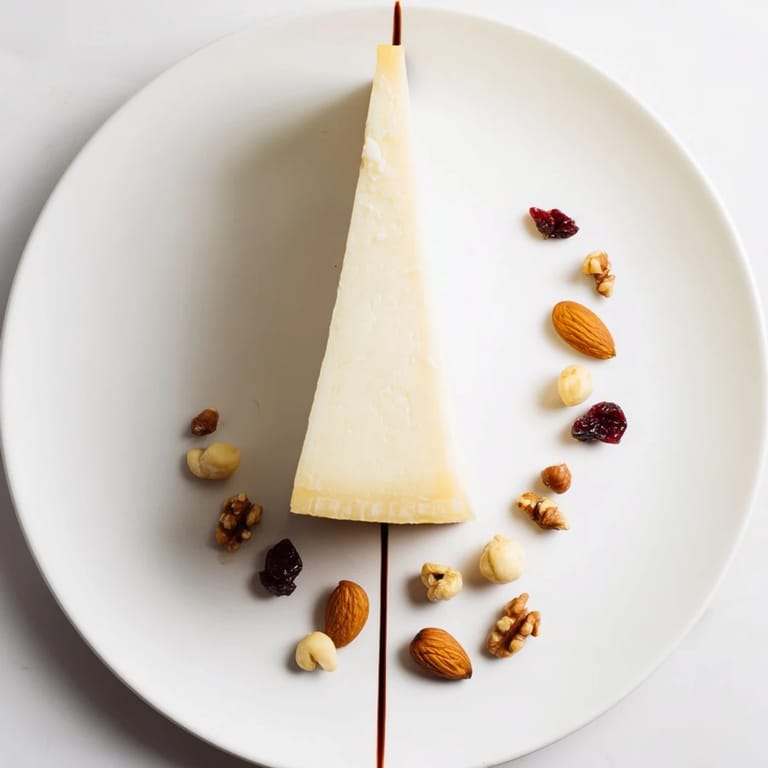
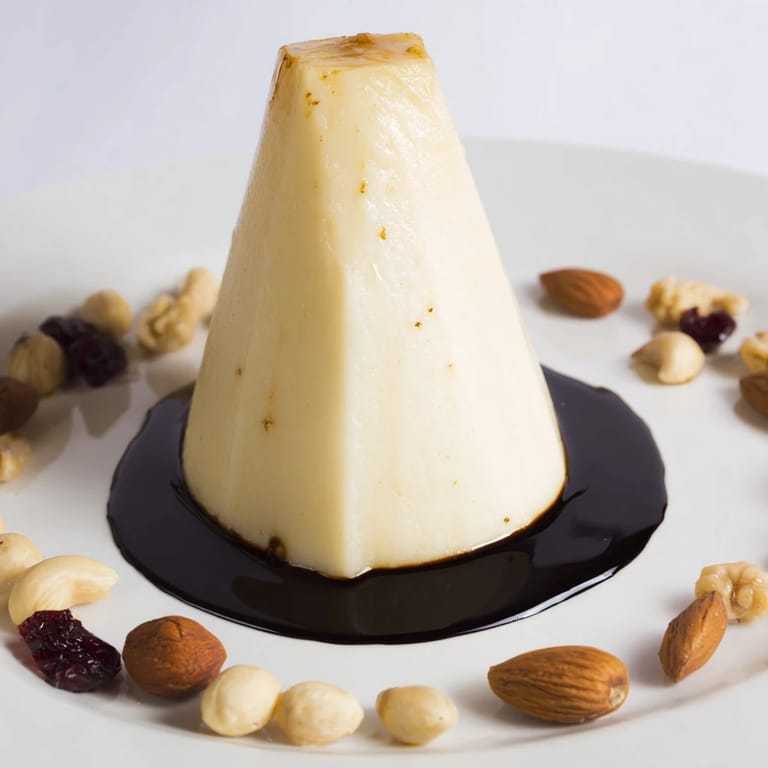
 I discovered the magic of a cheese platter arranged like a sundial at a dinner party where everything felt slightly off—the weather was dreary, the conversation stalled—until someone brought this to the table. The moment I saw that wedge of Parmigiano-Reggiano standing upright with its balsamic shadow stretching across the board, the whole evening shifted. It wasn't just appetizers; it was edible art that made everyone lean in and smile before tasting a single bite.
The first time I made this for a gathering of my partner's colleagues, I was nervous about whether it would feel pretentious or gimmicky. Then I watched a quiet accountant pick up a pecans cluster, smile at the sundial design, and suddenly start telling stories about visiting Tuscany. Cheese transformed the room in a way I didn't expect.
Ingredients
- Aged hard cheese (about 150 g): Parmigiano-Reggiano, aged Gouda, or Manchego work beautifully—choose something with character that can stand upright and won't crumble when you position it as your sundial's center.
- High-quality balsamic glaze (3 tbsp): This is your shadow; don't skimp here because thin or watered-down glaze won't create that dramatic dark line that makes the whole design work.
- Roasted almonds, walnuts, pecans, and hazelnuts (1/3 cup each): Mix these four because together they create visual contrast and flavor depth that keeps people reaching back.
- Dried cranberries (2 tbsp, optional): They add a jewel-like pop of color nestled among the clusters and cut through the richness beautifully.
- Fresh grapes, figs, or edible flowers (optional): These are your optional flourishes if you want to push the platter into truly stunning territory.
Tired of Takeout? 🥡
Get 10 meals you can make faster than delivery arrives. Seriously.
One email. No spam. Unsubscribe anytime.
Instructions
- Position your sundial center:
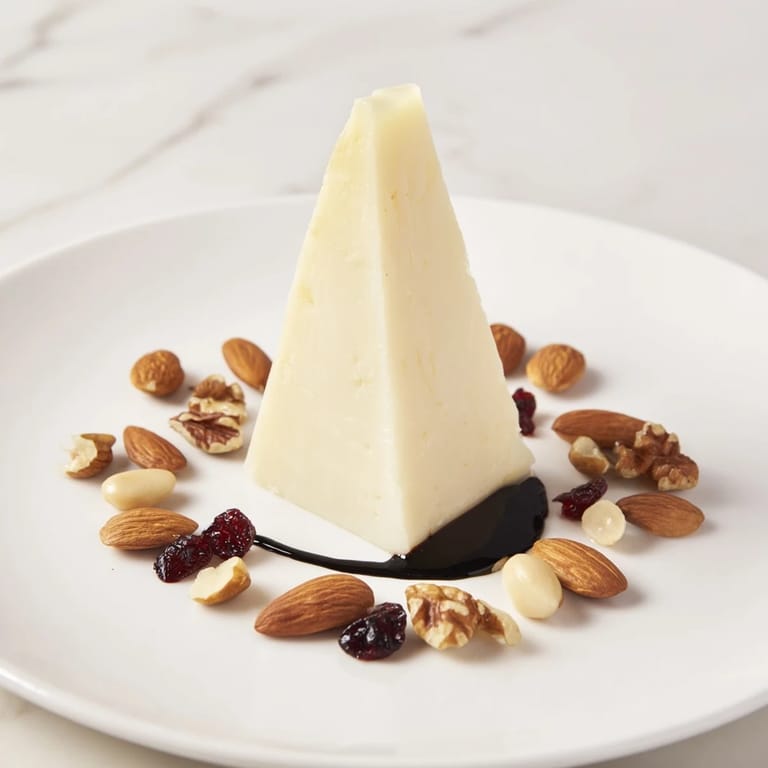
- Stand that cheese wedge upright in the middle of your large round platter with the pointed end facing outward like a gnomon casting its shadow. You'll feel it click into place when it's right.
- Paint the shadow:
- Using a spoon, slowly drizzle the balsamic glaze in one thick, confident line extending outward from the cheese—like you're painting the cheese's shadow across the dial. It should look dramatic and intentional, not accidental.
- Arrange the hours:
- Divide your mixed nuts into twelve small clusters and position them evenly around the cheese in a circle, like numbers on a clock face. Tuck dried cranberries into some clusters for visual texture and unexpected pops of tartness.
- Add final flourishes:
- If you're using grapes, figs, or edible flowers, scatter them strategically around the platter to fill gaps and add elegance. Step back and look at it—this is the moment it becomes art.
- Ready for guests:
- Place cocktail picks or small forks nearby so people can easily share without their hands touching the cheese directly.
 Save to Pinterest
 What I love most about this platter is that it quietly transforms the eating experience—people don't just grab and go, they pause and admire. It turned a regular appetizer moment into something memorable, something that made the evening feel intentional and special.
Why This Works as Theater
A cheese platter is already delicious, but adding structure and story makes it unforgettable. The sundial design gives your hands something to do (arranging clusters, positioning cheese) and gives your guests something to talk about before they taste anything. It's the kind of appetizer that gets photos taken and earns genuine compliments—not because it's complicated, but because it's thoughtful.
Building Flavor Around the Design
The magic isn't just visual; it's how the flavors work together. The buttery, crystalline hardness of aged cheese contrasts perfectly with the soft richness of toasted nuts, and that balsamic glaze adds a sophisticated sweetness and slight acidity that keeps everything balanced. The optional cranberries are there to remind you that tartness belongs on a cheese board—they cut through fat and add a little spark.
Making It Your Own
The beauty of the sundial concept is that you can adapt it without losing the magic. Swap the nut varieties, try different hard cheeses, add more garnishes, or skip the cranberries if they're not your style. The structure stays; the personality is yours.
- If you find aged Gouda, it has this caramel undertone that feels luxurious next to roasted hazelnuts.
- Vegan hard cheese works beautifully if you need a plant-based version—the design carries the same impact.
- Pair it with a crisp white wine or light Chianti, and let people know beforehand so they come thirsty and ready to celebrate.
 Save to Pinterest
 This platter taught me that food is really about creating moments, not just feeding people. It's proof that a little thoughtfulness in presentation can transform how people experience what they're eating.
Recipe FAQs
- → What types of cheese work best for this platter?
Aged hard cheeses like Parmigiano-Reggiano, aged Gouda, or Manchego provide the firm texture needed to stand upright and offer rich flavor.
- → How can I create the balsamic shadow effect?
Use a spoon to drizzle a thick, continuous line of balsamic glaze extending from the cheese wedge outward to mimic the shadow of a sundial.
- → Can the nut clusters be customized?
Yes, you can use a variety of roasted or spiced nuts such as almonds, walnuts, pecans, and hazelnuts to add different flavors and textures.
- → What garnishes enhance the platter’s presentation?
Fresh grapes, figs, edible flowers, or microgreens can be added for color and elegance without overpowering the main elements.
- → Is there a recommended pairing with this cheese centerpiece?
A dry white wine or a light Italian red like Chianti pairs exceptionally well, complementing the cheese and nut flavors.