 Save to Pinterest
 Last winter, a friend handed me a cup of hojicha cappuccino at a tiny Tokyo café, and I was struck by how it tasted nothing like coffee yet felt just as comforting. The roasted tea had this deep, almost nutty warmth that didn't need caffeine jitters to feel satisfying. I spent the next month trying to recreate it at home, learning that the secret wasn't in complicated technique but in respecting how the hojicha's delicate toastiness could shine when paired with silky milk.
I served this to my roommate on a rainy Tuesday morning, and watching her close her eyes after that first sip made me realize this wasn't just another beverage—it was a small moment of calm in her chaotic day. She asked me to make it three times that week, and I knew I'd discovered something worth holding onto.
Ingredients
- Hojicha loose-leaf tea (2 teaspoons) or tea bags (2): This roasted green tea is the heart of everything, with a gentle toastiness that grounds the entire drink without bitterness—loose-leaf gives you more control over strength, but bags are just as lovely for convenience.
- Filtered water (1 cup / 240 ml): Using filtered water lets the hojicha's subtle flavors shine without competing with chlorine or mineral notes that tap water might bring.
- Whole milk (1 cup / 240 ml) or oat milk: The richness of whole milk creates that luxurious cappuccino texture, though oat milk froths beautifully and adds a hint of natural sweetness that pairs wonderfully with hojicha.
- Honey, maple syrup, or sugar (1–2 teaspoons, optional): Sweetness here is about balance, not drowning the tea's flavor—add just enough to enhance without masking the roasted character.
Tired of Takeout? 🥡
Get 10 meals you can make faster than delivery arrives. Seriously.
One email. No spam. Unsubscribe anytime.
Instructions
- Brew the hojicha gently:
- Bring water to a soft simmer and pour it over your tea, letting it steep for three to four minutes while the aroma fills your kitchen. Don't rush this step—the gentle heat coaxes out all those warm, roasted notes without turning the tea bitter or harsh.
- Steam and froth your milk:
- Pour milk into a small saucepan or use a frother, heating it until small bubbles form at the edges but it never comes to a rolling boil. If you're frothing by hand with a whisk, tilt the saucepan slightly and move quickly for about thirty seconds to get that creamy foam.
- Combine tea and sweetener:
- Divide the strained hojicha between two cups and stir in your chosen sweetener if using, tasting as you go. This is your chance to adjust strength and sweetness to your exact preference.
- Layer milk and foam:
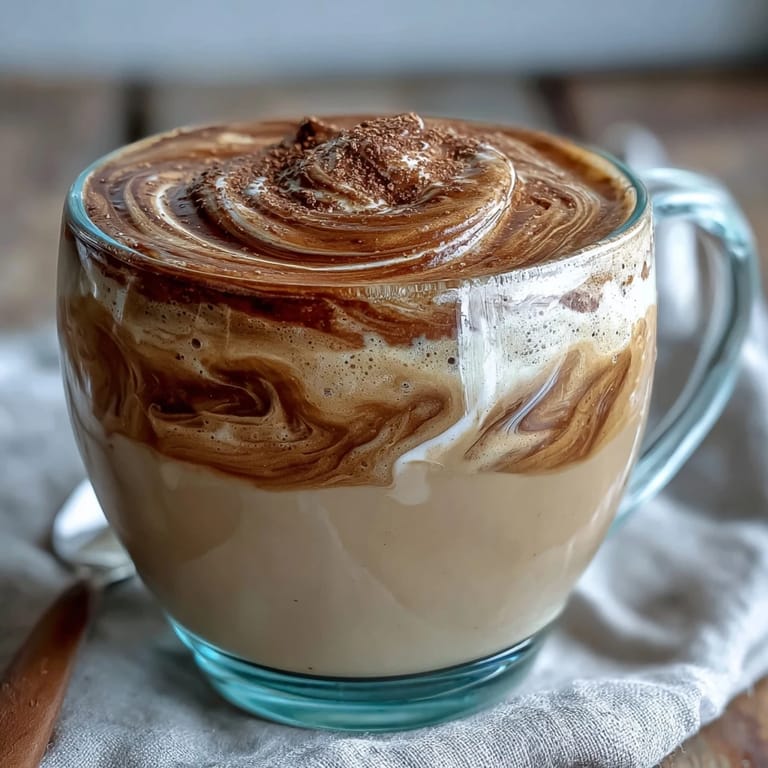
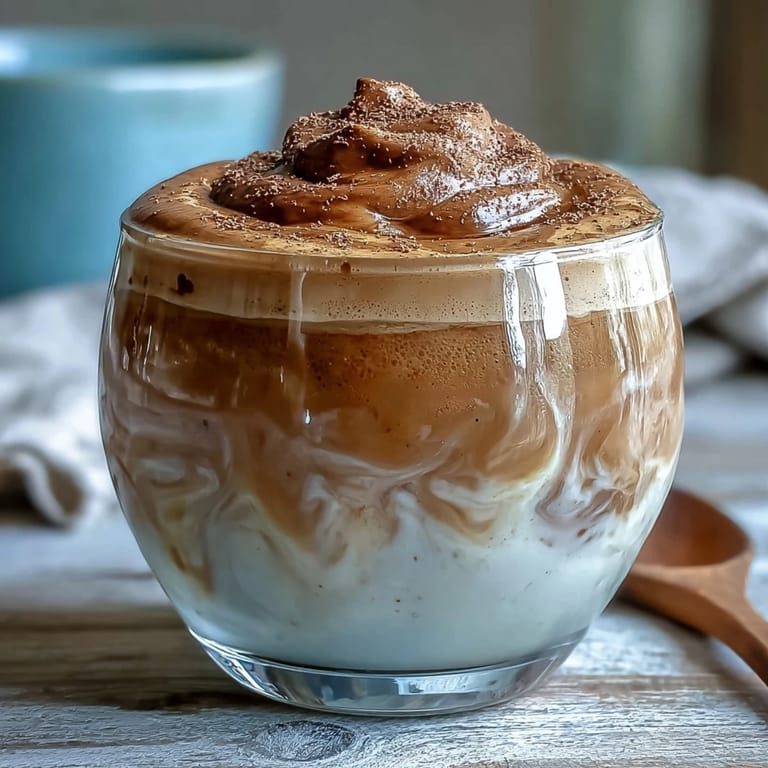
- Pour the steamed milk slowly over the tea while using a spoon to hold back the foam, creating that classic cappuccino effect where the milk and tea marry together. Top everything with a generous spoonful of the reserved foam for texture and visual appeal.
- Finish and serve:
- A whisper of hojicha powder or cinnamon on top adds an extra sensory touch and signals that this is something made with intention. Serve it right away while the warmth is still embracing the cup.
 Save to Pinterest
 There's something almost meditative about the ritual of frothing milk while hojicha steeps, the steam rising and the quiet sounds of the kitchen becoming your whole world for five minutes. This drink taught me that sometimes the most satisfying moments come from slowing down, not speeding up.
Choosing Your Milk Wisely
I've tried this with everything from almond milk to coconut milk, and each one tells a different story on your palate. Oat milk is my go-to because it froths like a dream and its subtle sweetness complements hojicha's roasted warmth, while soy milk creates a richer, almost dessert-like texture that works if you're leaning into indulgence.
The Art of the Perfect Froth
If you don't have a frother, a simple whisk held at an angle in a tilted saucepan works just as well—it's all about creating tiny air pockets rather than large bubbles. The difference between good froth and bad froth is patience and staying close to the heat without letting it boil over, a lesson I learned after creating way too much scalded milk in my early attempts.
Making It Your Own
Once you've made this a few times, you'll start discovering your own variations and preferences, and that's exactly when it stops being a recipe and becomes your ritual. The beauty of hojicha cappuccino is how forgiving it is—you can adjust the tea strength, the sweetness level, or even the milk choice depending on your mood and what you have on hand.
- Try steeping the hojicha for an extra minute if you like a deeper, more pronounced roasted flavor.
- Experiment with different sweeteners like brown sugar or agave to see how they shift the overall taste profile.
- Add a touch of vanilla extract or a sprinkle of cardamom if you're feeling adventurous and want to layer in more warmth.
 Save to Pinterest
 This hojicha cappuccino has become the drink I make when I want to tell myself I'm taking care of myself without any fuss or pretense. It's comfort in a cup, roasted and frothy and ready in less time than it takes to scroll through your phone.
Recipe FAQs
- → What does hojicha taste like?
Hojicha offers a distinctive toasty, nutty flavor with caramel-like notes. The roasting process removes bitterness, resulting in a smooth, earthy tea that's naturally sweet and lower in caffeine than other green teas.
- → Can I make this dairy-free?
Absolutely. Oat milk creates the creamiest texture and naturally sweet flavor, though almond and soy milk also work well. The toasty notes of hojicha complement the subtle sweetness of plant-based milks beautifully.
- → How is this different from a regular cappuccino?
Instead of espresso, this version uses brewed hojicha tea as the base. The result is a lighter, less caffeinated beverage with earthy, roasted flavors rather than coffee's bold bitterness. The creamy, frothy texture remains identical.
- → Do I need special equipment?
A milk frother creates the best foam, but a small whisk works well too. Simply heat your milk in a saucepan and whisk vigorously until frothy, or shake warm milk in a sealed jar for a quick frothing method.
- → Can I make this ahead?
For best results, brew the hojicha concentrate up to a day in advance and refrigerate. Reheat gently before adding freshly steamed and frothed milk. The foam texture is best when prepared immediately before serving.
- → What foods pair well with hojicha cappuccino?
The toasty, nutty flavors complement light pastries, buttery cookies, or traditional Japanese sweets like wagashi. It pairs especially well with desserts featuring vanilla, caramel, or subtle sweetness that won't overpower the delicate tea notes.