 Save to Pinterest
 I discovered hojicha lattes on a grey afternoon when a friend handed me a steaming cup at a tiny Japanese café tucked between office buildings. The roasted aroma hit me before the warmth did, and something about that toasty, almost nutty smell made me pause mid-conversation. That single sip felt like the tea world's best-kept secret, and I spent the next week trying to recreate it in my own kitchen, learning that the magic wasn't complexity but rather the balance of roasted earthiness and creamy vanilla.
My roommate walked into the kitchen one Sunday morning and asked what smelled like a toasted dream, then didn't leave until I made her a cup. That became our weekend tradition, sitting by the window with these lattes while the world outside felt too loud. It's funny how a beverage can become the reason someone shows up, the excuse to pause and actually talk instead of just existing in the same apartment.
Ingredients
- Hojicha powder: This roasted green tea is the soul of the drink, offering a warm, slightly smoky flavor without the grassy notes of regular matcha, and it naturally has less caffeine so you can actually enjoy it before bed.
- Plant milk: Oat or soy milk froths beautifully and creates that café-quality texture, though almond works in a pinch if that's what you have on hand.
- Pure vanilla extract: A small amount goes such a long way here, rounding out the roasted tea's edges and making the whole thing taste intentional rather than just hot and bitter.
- Maple syrup: This optional sweetener feels natural with the toasted notes, though honey or agave work equally well if that's your preference.
- Boiling water: The temperature matters more than you'd think; it needs to be truly hot to fully dissolve the powder and create that silky froth.
Tired of Takeout? 🥡
Get 10 meals you can make faster than delivery arrives. Seriously.
One email. No spam. Unsubscribe anytime.
Instructions
- Bloom the hojicha:
- Pour boiling water into your mug and whisk the hojicha powder in slowly, watching it transform from dust into a rich, deep brown liquid with a slight golden foam on top. You want to see it fully dissolved and hear that soft whisking sound that means air is getting worked in.
- Steam the plant milk:
- Heat your milk in a saucepan over medium heat or use a milk frother, stopping just before it boils when you see steam rising and the surface starts to shimmer. The goal is steaming, not scalding, so you keep that silky texture rather than creating a burnt edge.
- Add the flavor:
- Stir the vanilla extract and your chosen sweetener directly into the warm milk, letting them dissolve completely so every sip tastes balanced. Take a second to smell it at this point, that vanilla-warmth combination, before you pour.
- Bring it together:
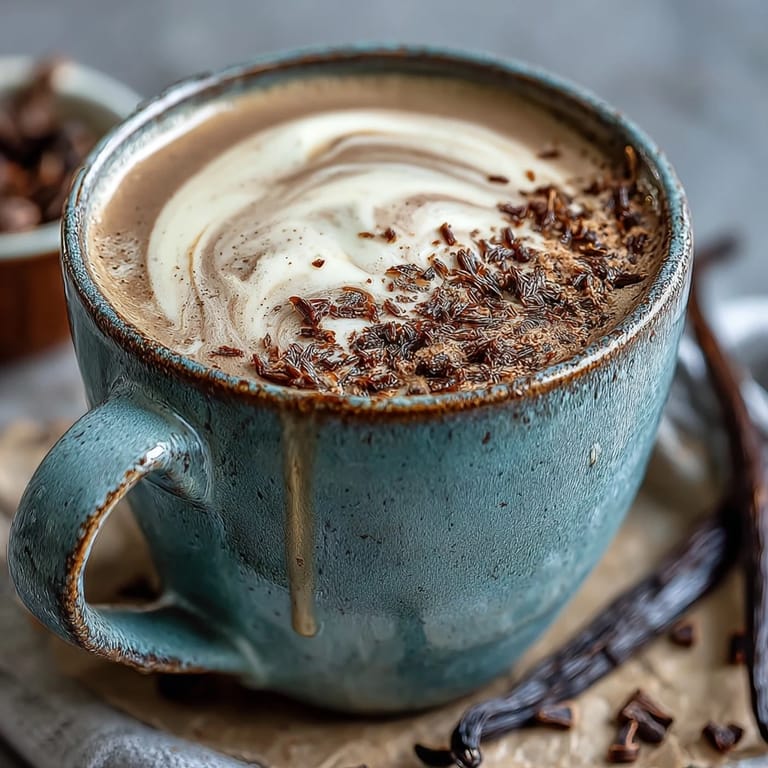
- Pour the vanilla-sweetened milk slowly over your hojicha base, watching them marry into a creamy, caramel-toned latte. A final gentle stir brings everything into harmony.
 Save to Pinterest
 There's something about holding a warm mug on a cold day that feels like self-care without any of the guilt. I made this drink for my sister when she was stressed about exams, and she still texts me asking for the recipe years later, which tells me it became more than just hojicha in her memory too.
The Roasting Magic
Hojicha is green tea that's been roasted until it transforms into something deeper, almost hazelnut-like in its warmth. The roasting process lowers the caffeine naturally, which is why this latte won't keep you wired at midnight, and it brings out flavors that feel almost toasted rather than grassy. Once you understand that this tea is already fully developed before it hits your mug, you stop overthinking it and just enjoy.
Froth and Texture Matter
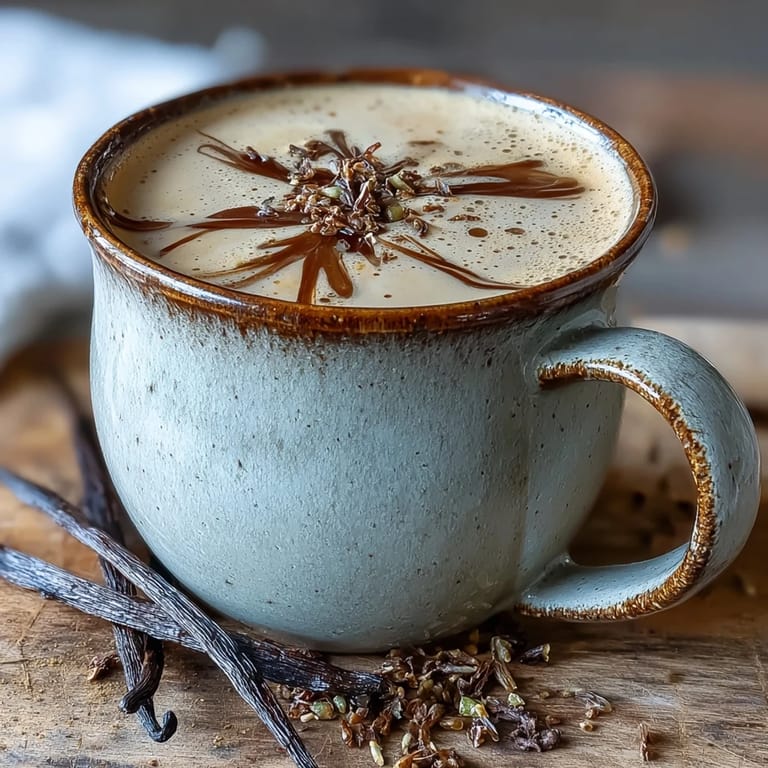
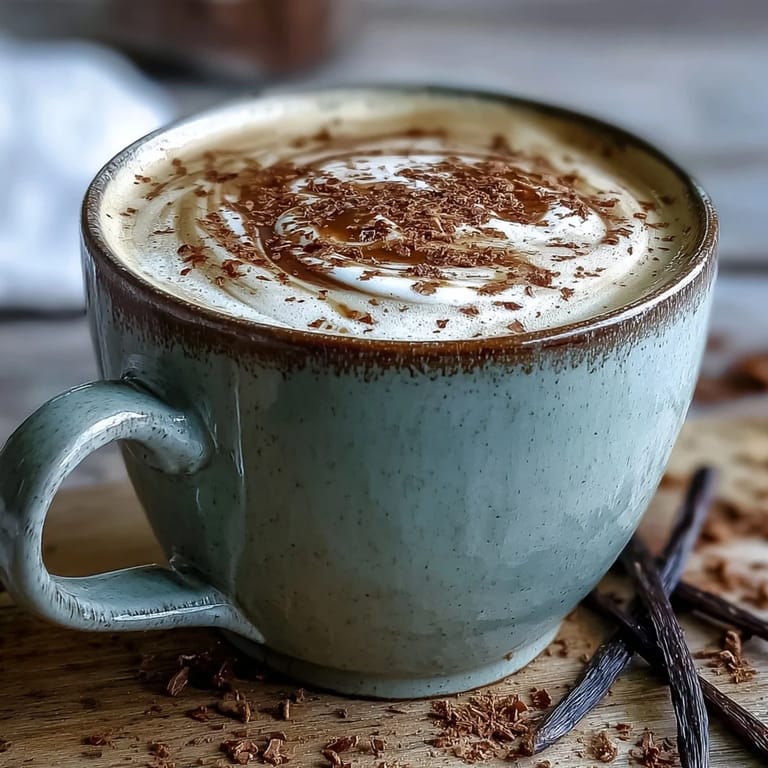
The difference between a regular hojicha drink and a latte is all about that silky layer on top, the tiny bubbles that catch light and make the whole thing look intentional. You can create this with a small whisk, a handheld frother, or even just vigorously stirring with energy, and honestly, the hand-whisking feels meditative. I've learned that the froth isn't just about aesthetics either; it actually insulates the drink and changes how the flavors unfold on your tongue.
Customizing Your Cup
This recipe is a gentle starting point, not a rigid formula, so taste as you go and adjust the vanilla and sweetness to what feels right in the moment. Some mornings I skip the maple syrup entirely because I want to taste the roasted tea's natural sweetness, while other times I add an extra half teaspoon because I'm craving something more dessert-like. The vanilla extract is forgiving too; you can scale it back if you prefer the tea to be the star, or bump it up if you want something closer to a vanilla-forward drink that just happens to include hojicha.
- Oat milk creates the richest, most café-quality texture, but soy is a close second if that's what your grocery store stocks.
- A pinch of cinnamon or cardamom can be added to the milk for warming spice notes that pair beautifully with roasted tea.
- Make it iced by cooling the hojicha first and using chilled milk in summer, which transforms it into a completely different but equally soothing drink.
 Save to Pinterest
 This latte has become my answer to days when I need something warm that isn't coffee and isn't just tea, that small ritual that signals it's time to slow down. Make it, hold the mug, breathe in the aroma, and let yourself have ten quiet minutes.
Recipe FAQs
- → What does hojicha taste like?
Hojicha has a distinctive roasted, nutty flavor with earthy undertones and minimal bitterness. The roasting process reduces caffeine while creating warm toffee-like notes that pair beautifully with vanilla and creamy milk.
- → Is this latte caffeine-free?
While not completely caffeine-free, hojicha contains significantly less caffeine than other green teas—approximately one-third the amount. This makes it ideal for afternoon or evening consumption when you want warmth without stimulation.
- → Can I use hojicha tea bags instead of powder?
Tea bags will work, but powder creates a smoother, more integrated texture and richer flavor. The powder dissolves completely into the liquid, while tea bags may leave a lighter infusion. If using bags, steep longer and consider whisking afterward for froth.
- → Which plant milk works best?
Oat milk produces the creamiest, most latte-like texture and naturally sweet flavor that complements hojicha's roasted notes. Soy milk also froths beautifully. Almond milk adds subtle nuttiness but may be thinner. Choose unsweetened varieties to control sweetness.
- → How do I get café-style foam at home?
For maximum froth, use a handheld milk frother or immersion blender after heating your milk. You can also shake warm milk in a sealed jar vigorously for 30 seconds. Pouring slowly over the back of a spoon helps create that professional layered look.