 Save to Pinterest
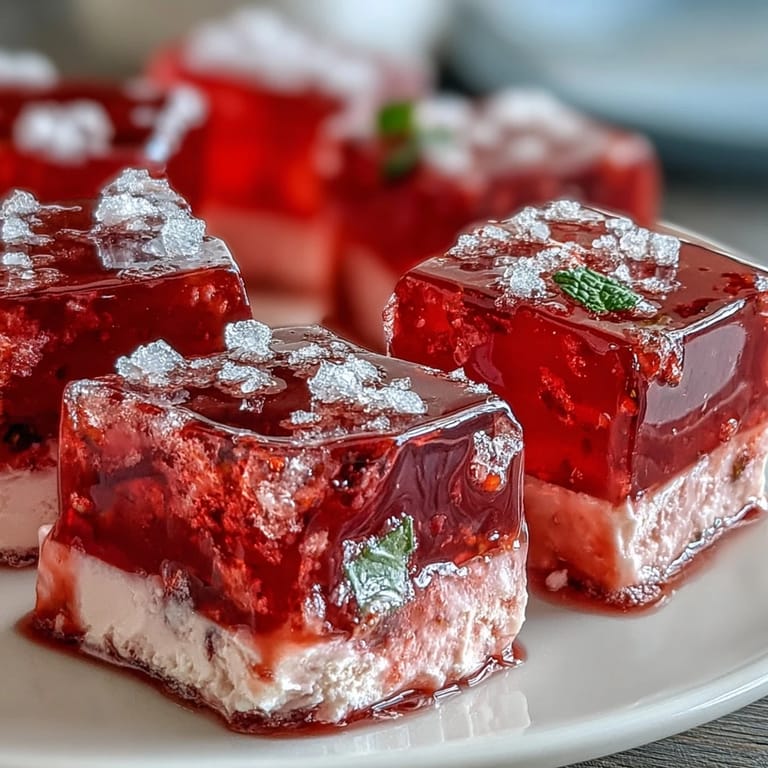
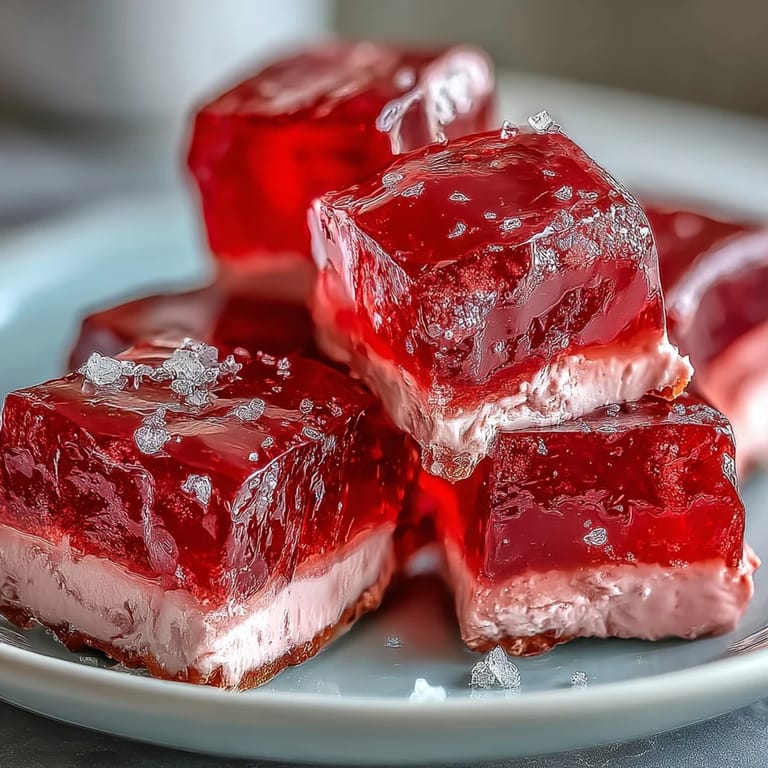
 When I first made this mosaic cake, I was drawn in by the promise of colors and the fragrant blend of strawberries and rose. The kitchen filled with the gentle scent of rose water mingling with warm milk, and tiny droplets of pink food coloring danced on my fingertips. The fun came in the slicing—seeing each creamy wedge filled with jewel-like cubes always sparked a little pride. It’s one of those desserts that both surprises and delights every time you turn it out of its mold. Not too fussy, but memorable for all the right reasons.
One summer afternoon, I assembled this cake for a friend's bridal shower, and we took bets on who would get the prettiest mosaic slice. Laughter filled the room when a single rogue strawberry cube made its way to the top of the first slice, much to everyone's amusement. I always remember how each person tried to pick out their favorite color as if it was an ice cream parlor. Now every time I make it, I think about people eagerly choosing their piece. There’s something about sharing this cake that brings out a tiny, playful competition.
Ingredients
- Strawberry-flavored gelatin (1 packet, 85 g): This forms the bold, ruby-red cubes—stir it thoroughly so every fleck dissolves, or you'll get uneven jellies.
- Boiling water (2 cups): The steam helps dissolve the gelatin crystals completely for a perfectly smooth set.
- Unflavored gelatin (3 packets, 30 g total): Essential for that creamy, delicate wobble in both the rose and base layers; blooming it in cold water ensures it dissolves well.
- Water (2 cups): Used for gentle heating and to help the rose gelatin stay clear and bright.
- Rose water (2 tbsp): For that gentle, unmistakable floral perfume—taste before pouring, as intensity varies between brands.
- Granulated sugar (3/4 cup): Balances the floral note of the rose gelatin so it’s never overpowering.
- Pink food coloring (optional): A single drop gives the rose cubes a blush that looks beautiful in the finished cake.
- Cold water (1/2 cup): The secret to properly blooming the gelatin for the cream base—don’t rush it.
- Whole milk (2 cups): Provides a silky backbone to the creamy layer—full fat gives the richest result.
- Heavy cream (1 cup): This amps up the luxe texture—don’t substitute with low-fat alternatives here.
- Sweetened condensed milk (1 cup): Adds sweetness and helps the cream base set smoothly; scrape the can to get every drop.
- Vanilla extract (1 tsp): A finishing touch for true comfort and warmth in each creamy bite.
Tired of Takeout? 🥡
Get 10 meals you can make faster than delivery arrives. Seriously.
One email. No spam. Unsubscribe anytime.
Instructions
- Make the strawberry gelatin:
- Dissolve the strawberry gelatin in boiling water, stirring until no crystals remain. Pour into a shallow dish and refrigerate for about an hour until firm.
- Craft the rose gelatin:
- Heat water and sugar together in a saucepan until the sugar has melted completely. Bloom the unflavored gelatin in cold water, stir it into the warm syrup with rose water, and add a drop of food coloring if you want a rosy hue; pour into a separate dish and chill until set.
- Cube the gels:
- Once both gelatin sheets are firm, cut them into neat 1 to 2 cm cubes—it can be oddly satisfying work.
- Prepare the cream base:
- Sprinkle two packets of unflavored gelatin over cold water to bloom for 5 minutes. Warm milk and heavy cream just to a simmer, remove from the heat, mix in the bloomed gelatin, then whisk in condensed milk and vanilla; let cool until just barely warm.
- Arrange in the mold:
- Lightly mix the strawberry and rose cubes, then scatter them into a 10-inch ring or bundt mold so they're evenly dispersed.
- Bring it all together:
- Pour the cooled cream mixture gently over the cubes and tap the mold to pop any trapped air bubbles.
- Chill, then unmold:
- Let the cake chill for 3 to 4 hours—or until fully set—then dip the mold briefly in warm water and invert onto a serving plate.
- Serve and admire:
- Slice with a sharp knife, marvel at the mosaic inside, and enjoy every chilled creamy bite.
 Save to Pinterest
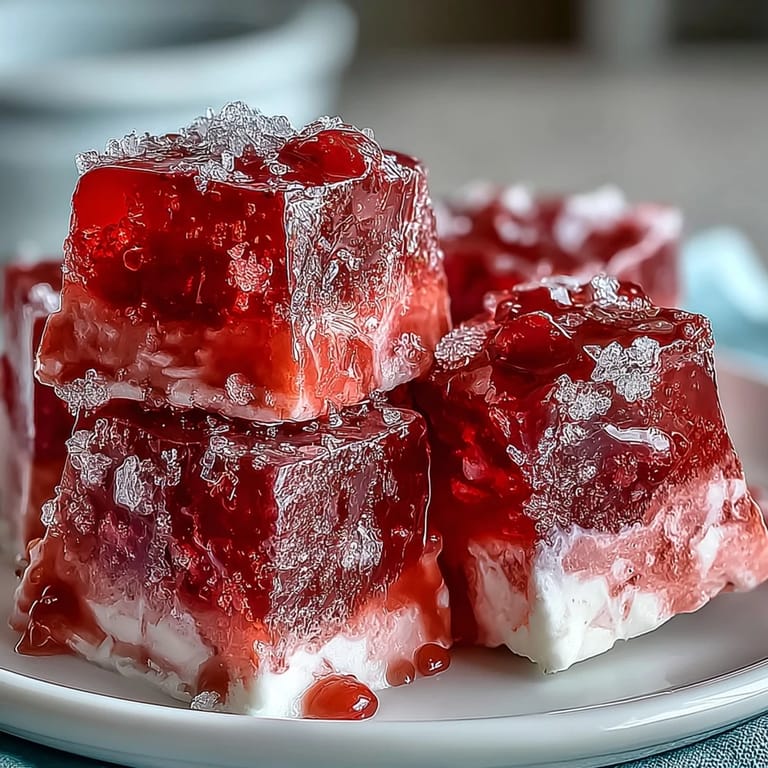
 I still remember the first time a guest gasped as the cake slid cleanly from the mold, sunlight catching the shimmering cubes like stained glass. That little bit of drama at the table transformed dessert into a moment everyone paused to watch together.
Making the Mosaic Shine
Scattering the gelatin cubes is an exercise in creative chaos: shake the dish gently so the rose and strawberry bits tumble into wonderful collages. Don’t overthink the arrangement—the less you fuss, the more natural it looks. If a few cubes stick up over the cream base, just nudge them down gently with a spoon. I like to press in extra cubes if the top looks sparse. It’s honestly more fun than it should be.
Adapting the Flavors
Once, I swapped rose water for a splash of elderflower syrup and everyone asked for the recipe—don’t be afraid to play. Infusing the milk with a peel of orange zest or a few halved strawberries gives the base a subtle twist. If you skip food coloring, the flavors remain the star with a softer palette. Swapping condensed coconut milk for dairy makes for a fun vegan experiment. Your mosaic, your rules.
Serving with Flair
Decorate with slices of fresh strawberries and scattered edible petals if you have them for an extra glimmer of festivity. A little edible gold leaf on the top and everyone will think you bought it at a patisserie. This cake keeps wonderfully chilled for a couple of days, making it a great make-ahead dessert.
- Make sure to run a knife around the edge before unmolding for the cleanest release.
- Let the cake sit at room temperature for about 10 minutes before slicing for the best texture.
- Store leftovers covered in the fridge so the flavors stay bright and the cream base doesn’t dry out.
 Save to Pinterest
 May this cake find its way to your table on days worth celebrating or simply when you crave a little color. Each mosaic slice promises the kind of surprise that lingers long after dessert has been served.
Recipe FAQs
- → How long should the flavored gels chill before dicing?
Firm setting usually takes about 1 hour in shallow dishes, depending on fridge temperature. Wait until the gels are fully set and spring back slightly when touched before cutting into cubes.
- → Can I use a vegetarian gelatin alternative?
Agar-agar can replace gelatin, but it sets more firmly and at a higher temperature; dissolve and cool according to package instructions and test a small batch to adjust texture. Pectin or carrageenan require different handling and sugar levels.
- → How do I avoid air bubbles in the cream base?
Pour the cooled cream mixture slowly over the arranged cubes and tap the mold gently on the counter to release trapped air. A skewer can also be used to nudge bubbles to the surface before chilling.
- → Any tips for infusing extra flavor into the milk base?
Warm the milk gently with sliced fresh strawberries or a strip of orange zest, then steep for 10–15 minutes off heat before straining. Add vanilla or a touch of condensed milk for extra richness.
- → How should I unmold the set mosaic without damage?
Dip the outside of the ring or bundt mold in warm water for 5–10 seconds to loosen the edges, then invert onto a plate. If needed, run a thin knife around the inner edge first to help release it cleanly.
- → Can I prepare this ahead and how long does it keep?
It keeps well refrigerated for 2–3 days in an airtight container. For best texture and appearance, add fresh fruit and edible petals just before serving.