 Save to Pinterest
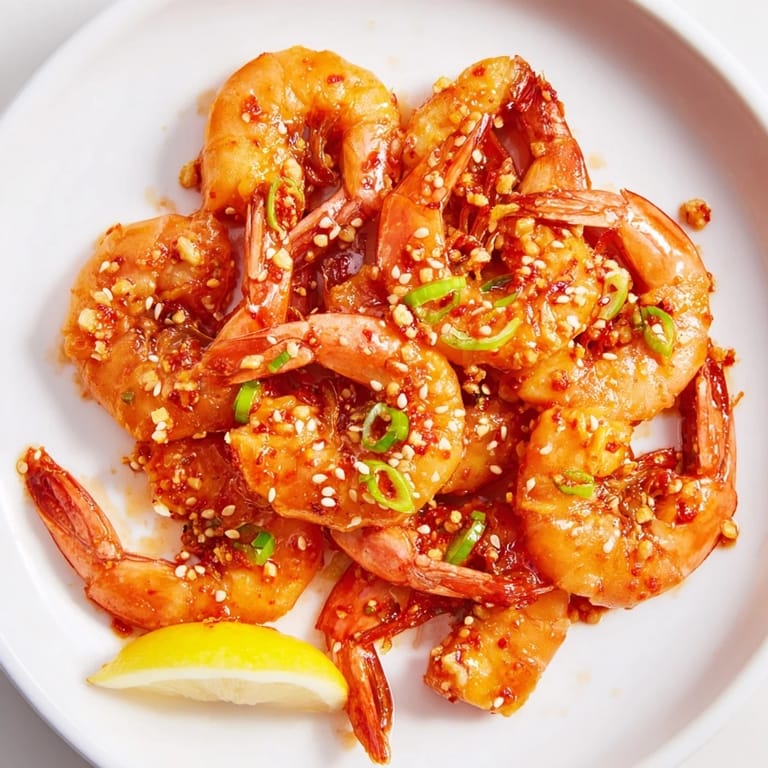
 I discovered this recipe on a weeknight when I had about twenty minutes and a craving for something that felt like restaurant food. The combination of melting butter, pungent garlic, and that particular heat from gochugaru just clicked—it was the kind of dish that made me realize fancy meals don't require hours of prep. Those shrimp turned the most beautiful coral pink, and the kitchen filled with this smell that had my partner appearing in the doorway within seconds asking what I was making.
The first time I made this for friends, I was nervous because shrimp can go rubbery so quickly, and I didn't want to be the person who messed up dinner. But something about the butter and the short cooking time meant every single shrimp stayed tender, and people were asking for the recipe before they'd even finished their plates. It became the thing I'd make when I wanted to feel confident in the kitchen.
Ingredients
- Large shrimp, 500 g (1 lb): Pat them completely dry—wet shrimp won't sear, they'll steam, and you'll lose that caramelized edge that makes them special.
- Unsalted butter, 3 tbsp: The foundation of everything here, so use decent butter if you can; it's only three tablespoons, so it matters.
- Garlic, 4 cloves minced: Don't use a garlic press or pre-minced; the texture changes how it incorporates into the sauce and catches the heat differently.
- Gochugaru (Korean chili flakes), 1 tbsp: This isn't just heat; it brings a fruity, almost smoky depth that regular chili powder won't give you.
- Soy sauce, 1 tbsp: It adds that savory backbone, but taste as you go because some brands are saltier than others.
- Honey, 1 tbsp: A small amount that balances the heat and salt without making the dish sweet—crucial for the flavor balance.
- Sesame oil, 1 tsp: Just a teaspoon, but it's what makes people wonder what that warm, nutty note is.
- Scallions, 2 tbsp chopped: Add them after everything cools slightly so they stay bright and fresh rather than wilting into the sauce.
- Toasted sesame seeds, 1 tsp: They add a subtle crunch and a visual finish that makes the dish feel more intentional.
- Lemon wedges: A squeeze at the end cuts through the richness and wakes everything up on your palate.
Tired of Takeout? 🥡
Get 10 meals you can make faster than delivery arrives. Seriously.
One email. No spam. Unsubscribe anytime.
Instructions
- Dry your shrimp completely:
- Moisture is the enemy of a good sear, so pat each one down with paper towels like you're treating them gently. Set them aside on a clean plate so they're ready to go the moment your pan is hot.
- Melt the butter over medium heat:
- Watch it as it goes from solid to liquid to taking on that light golden color; this is where the flavor starts building. If it's foaming and the heat is high, turn it down a notch.
- Add garlic and listen for the sizzle:
- Stir it constantly for about a minute—you want to hear it working in the butter, smell it getting fragrant, but stop before it turns even slightly brown. Brown garlic tastes bitter, and that ruins the whole balance.
- Build the sauce in one motion:
- Stir in the gochugaru, soy sauce, honey, and sesame oil all at once, and let it cook for just 30 seconds. You're not cooking the garlic harder; you're just letting everything marry together.
- Add shrimp and give them space:
- Lay them in a single layer in the skillet—crowding the pan means they steam instead of sear. After 2 to 3 minutes, flip each one and give them another 2 to 3 minutes on the other side until they're pink and opaque all the way through.
- Toss gently to coat:
- Once they're cooked, give everything a gentle toss so each shrimp gets glazed in that beautiful sauce. Remove from heat right away so they don't overcook in the residual warmth.
- Plate and garnish while warm:
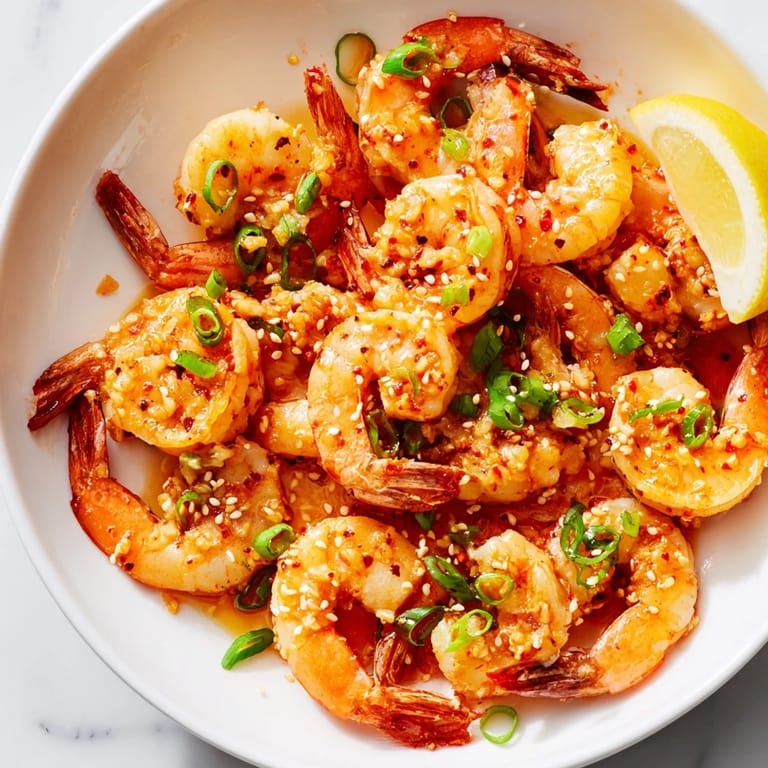
- Transfer to a serving dish, sprinkle the scallions and sesame seeds over the top while everything is still hot, and set out lemon wedges for people to squeeze as they like.
 Save to Pinterest
 There was a moment when I made this for someone I was trying to impress, and they took a bite and just closed their eyes for a second. That's when I realized this wasn't just a quick shrimp recipe—it was the kind of dish that made people feel cared for. Something about the combination of butter and Korean heat and that toasted sesame just lands differently.
Why the Butter and Heat Matter
The magic here isn't complicated: butter and high-quality gochugaru create a sauce that's richer than you'd expect from something so simple. The heat doesn't overwhelm because the honey and sesame oil smooth it out. I learned this after years of making Asian food—sometimes a fusion approach that respects both sides works better than staying strictly traditional. This dish proves that.
Serving Ideas and Occasions
I've served this as a fancy appetizer on toast points, spooned over jasmine rice for a weeknight dinner, and tossed with fresh noodles when I had leftover seafood to use up. Each version works because the sauce is bold enough to carry whatever you pair it with. The beauty of this recipe is its flexibility—it adapts to whatever you're hungry for without losing its character.
Making It Your Own
Once you make this a few times, you'll start tweaking it, and that's exactly when it becomes yours. Maybe you'll add a bit of miso paste for deeper umami, or swap the honey for gochujang and make it spicier. The foundation is solid enough that it can handle experimentation.
- Brown sugar works just as well as honey if that's what's in your pantry.
- A splash of rice vinegar at the end brightens everything and cuts through the richness beautifully.
- If you can't find gochugaru, equal parts regular chili flakes and a tiny bit of smoked paprika gets you close.
 Save to Pinterest
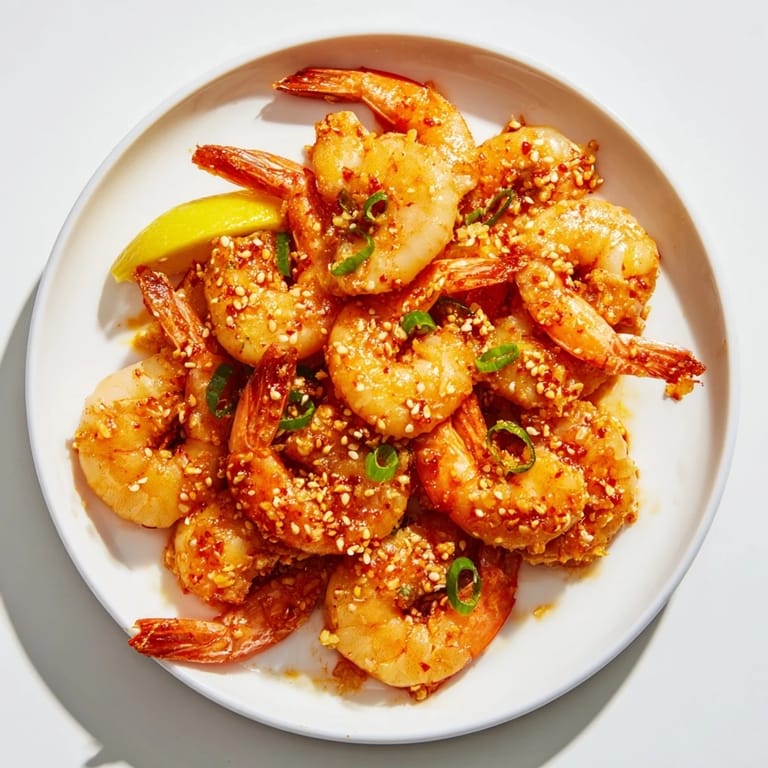
 This recipe became my answer to the question of how to cook something that feels impressive but doesn't demand hours in the kitchen. It's become one of those dishes I return to again and again because it never disappoints.
Recipe FAQs
- → What type of shrimp works best for this dish?
Large, peeled, and deveined shrimp ensure even cooking and allow the sauce to coat thoroughly.
- → How spicy is the chili in the dish?
Gochugaru adds a moderate heat with a smoky, slightly sweet undertone that complements the garlic butter.
- → Can I substitute honey with another sweetener?
Brown sugar or maple syrup can replace honey for a similar sweetness and texture in the sauce.
- → Is this dish gluten-free?
Yes, as long as gluten-free soy sauce is used, this dish is suitable for gluten-free diets.
- → What are some serving suggestions?
Enjoy it as a standalone starter, or serve over steamed rice or noodles for a complete meal.
- → How do I increase the heat level?
Adding more gochugaru or a pinch of red pepper flakes intensifies the spicy kick.