 Save to Pinterest
 There's something almost magical about the moment when cold cheese meets hot oil and transforms into something entirely new. I discovered saganaki years ago at a taverna in Athens, sitting at a tiny table with a view of the Acropolis, and the sound of that cheese hitting the pan was like a dinner bell calling everyone to attention. When the server set down that golden, sizzling plate with a squeeze of lemon, I understood why Greeks have been making this for centuries—it's pure simplicity that somehow tastes like celebration.
I made this for my neighbor one weeknight when she stopped by with wine and no expectations, and somehow it became the whole evening. Those few minutes of cooking turned into conversation, laughter, and the realization that the best meals are often the unplanned ones.
Ingredients
- Firm Greek cheese (kasseri, kefalotyri, or halloumi): 200g sliced 1cm thick—the key is firmness; soft cheese will melt into the oil rather than keeping its shape, so choose varieties that hold up to heat with dignity.
- All-purpose flour: 2 tbsp (or gluten-free)—just a light coating to encourage golden browning, not a heavy crust that masks the cheese.
- Olive oil: 2 tbsp—good quality matters here since there are so few ingredients to hide behind.
- Lemon: 1 whole, cut into wedges—the brightness is essential, cutting through the richness like a conversation starter.
- Dried oregano: 1/2 tsp—it tastes like Greece in a sprinkle, so don't skip it or use fresh if that's what you have.
- Freshly ground black pepper: to taste—the final accent that rounds everything out.
Tired of Takeout? 🥡
Get 10 meals you can make faster than delivery arrives. Seriously.
One email. No spam. Unsubscribe anytime.
Instructions
- Dry your cheese like you mean it:
- Pat each slice thoroughly with paper towels until there's no moisture clinging to the surface. Wet cheese steams instead of sizzles, and you want that satisfying golden sear.
- Give it a light flour jacket:
- Dredge each piece in flour, then tap off the excess so you have just a whisper of coating. Think of it as a suggestion, not a rule.
- Get your oil properly hot:
- Heat the olive oil over medium-high heat until it shimmers and moves easily in the pan. You want to hear it sing when the cheese lands.
- Fry with focus:
- Add the cheese slices and resist the urge to move them around; let them sit for 1 to 2 minutes per side until the edges turn deep gold. This is when you'll hear the sizzle that means it's working.
- Brief rescue and drain:
- Fish them out quickly and let them rest on paper towels for just a moment to shed excess oil. You want crispy, not greasy.
- Season and serve hot:
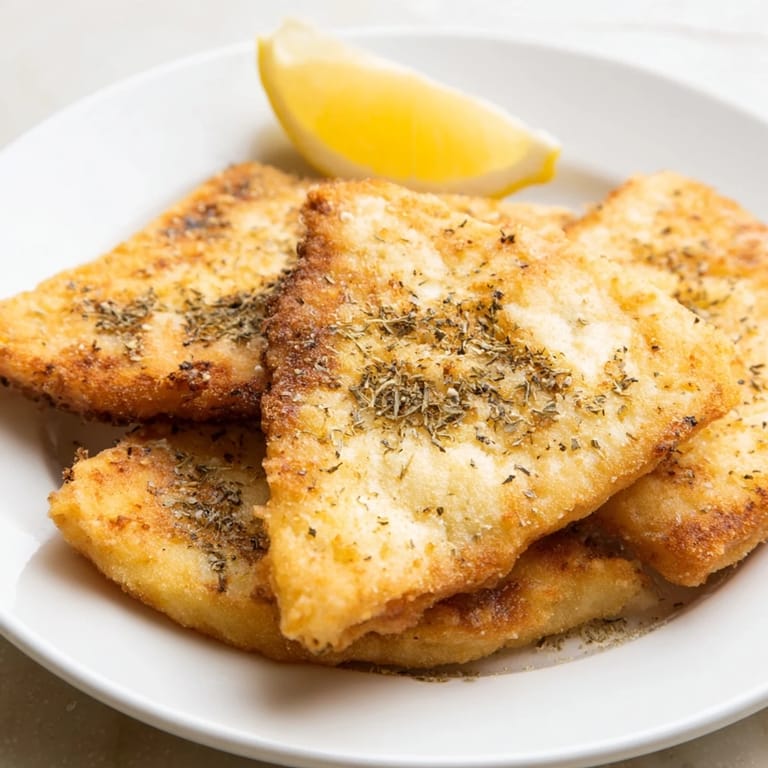
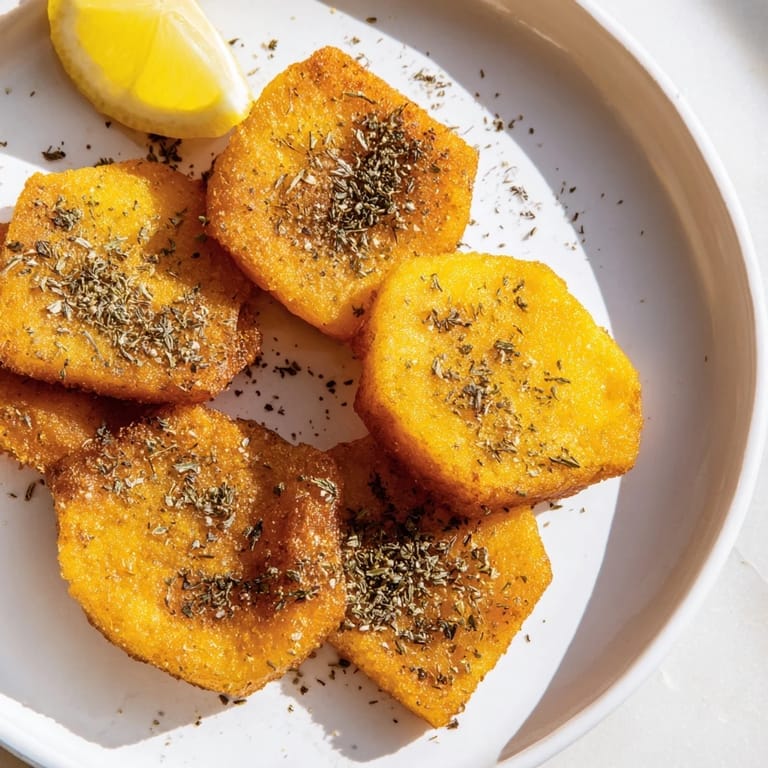
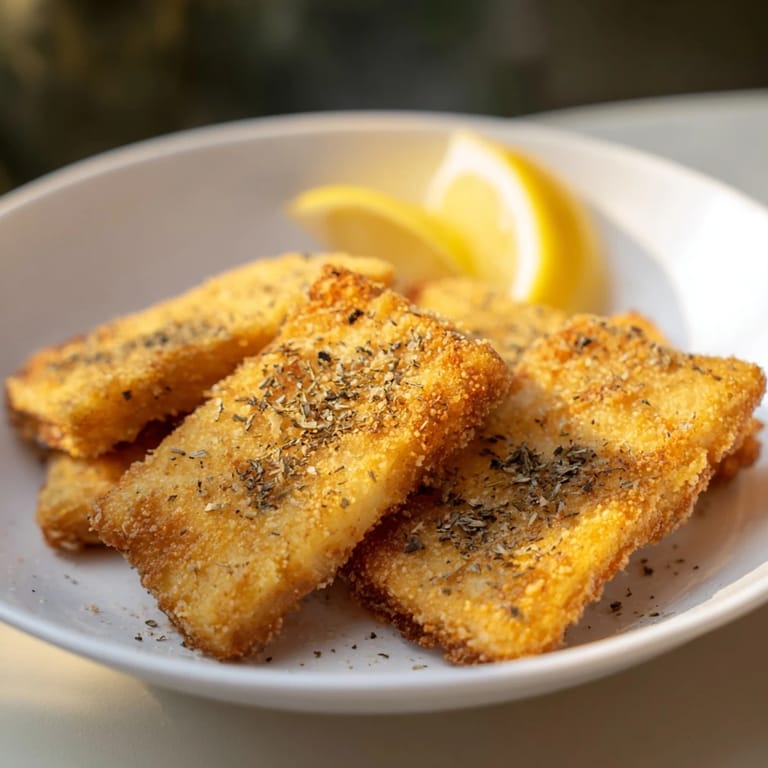
- Sprinkle with oregano and pepper, then get them to the table while they're still warm and the cheese is at its best.
 Save to Pinterest
 There was one night when I made this for my sister's birthday dinner, and she cried a little bit—not because the cheese was that good, but because it reminded her of our grandmother's kitchen and a table full of people all reaching for the same plate. Food does that sometimes, carries memories you didn't know it was holding.
Cheese Choices That Actually Matter
Kasseri is the traditional choice, with a higher melting point and a slightly tangy flavor that stands up beautifully to the heat. Kefalotyri is nuttier and a bit more assertive, while halloumi squeaks between your teeth in the most satisfying way and holds its shape almost stubbornly, making it forgiving if you're nervous about timing. Each brings something different to the pan, so if you've got access to Greek cheese shops, try them all and see which one makes you happiest.
The Art of the Perfect Sear
The magic window lasts about 90 seconds per side if your oil is hot enough. Too slow and you'll get a soggy, oily result; too fast and the outside browns before the inside even starts to warm. The cheese should smell nutty and toasted, not burnt, and the flour should have turned a deep golden color that catches the light.
Serving and Sharing This Dish
Saganaki is meant to be eaten with your fingers if you're eating alone, or shared across a table if you're not. It pairs beautifully with crusty bread to soak up that lemony pan goodness, and a crisp white wine like Assyrtiko feels like the obvious companion. The real pleasure is in the immediate—the moment the cheese is warm and the flavors haven't yet faded into memory.
- Squeeze lemon over each piece just before you eat it, letting the juice sizzle into the warmth.
- Serve this as part of a mezze platter alongside olives, bread, and hummus for a full picture of Greek generosity.
- Don't let it sit for more than a few minutes after cooking, because cold saganaki is a completely different and less thrilling thing.
 Save to Pinterest
 This is one of those recipes that teaches you something about cooking itself—that sometimes the simplest things, made with care and the right ingredients, become unforgettable. Every time you make it, you're just 10 minutes away from something special.
Recipe FAQs
- → What type of cheese is used for saganaki?
Traditional saganaki uses firm Greek cheeses like kasseri, kefalotyri, or halloumi, which hold their shape when fried.
- → How is the cheese prepared before frying?
Cheese slices are patted dry, lightly dredged in flour, and then fried until golden and crispy.
- → Can I make this dish gluten-free?
Yes, by substituting all-purpose flour with gluten-free flour for coating the cheese.
- → What is the purpose of lemon and oregano on saganaki?
Lemon juice adds brightness and acidity while oregano provides a fragrant herbal note that complements the cheese.
- → How long does it take to cook saganaki?
Frying takes just 1–2 minutes per side, making the total preparation and cooking time about 10 minutes.