 Save to Pinterest
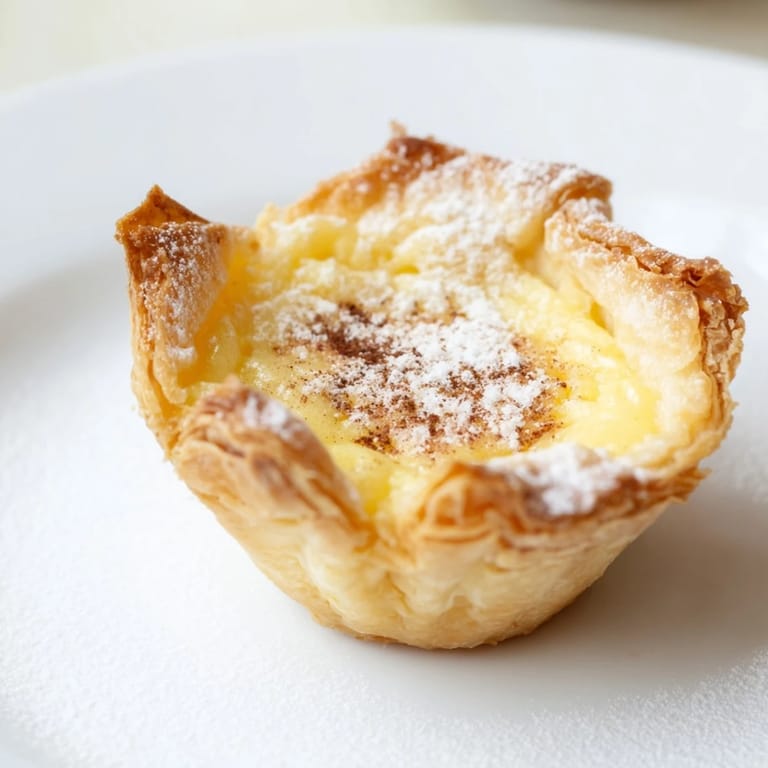
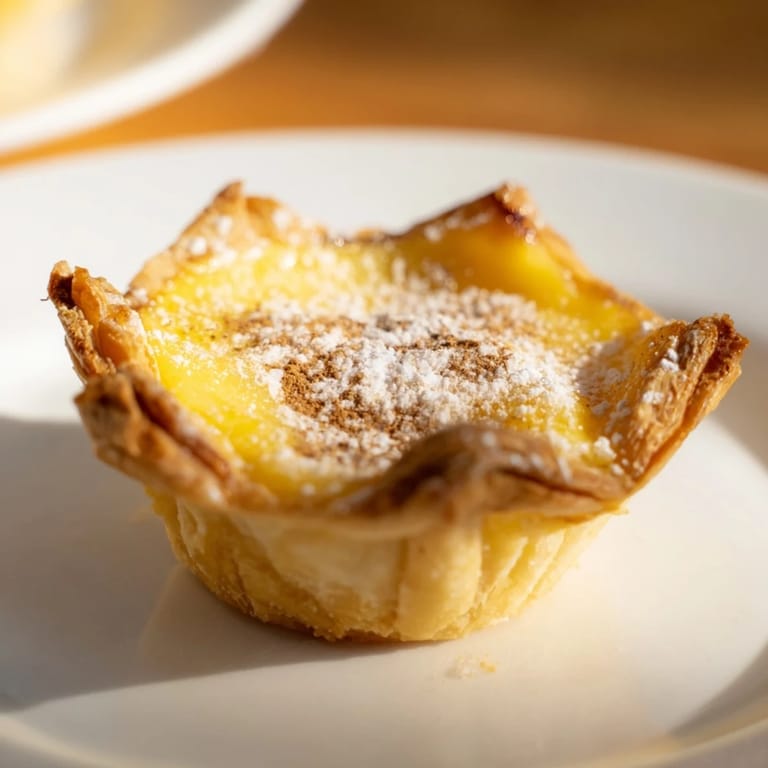
 There's a particular moment in a Lisbon pastry shop—that crisp afternoon light hitting the glass case—when you first understand what these tarts are really about. I was standing there, watching the baker dust powdered sugar over golden phyllo cups that had just come out of the oven, steam still rising, and I thought: this is comfort wrapped in pastry and cinnamon. The custard inside wasn't thick and heavy like French tart filling; it was pourable and silky, almost like the baker had captured something delicate that shouldn't work but somehow does. I had to make them at home, and now they've become the kind of dessert I reach for when I want to impress without the stress.
I made these for my sister's book club and accidentally left them on the counter a few minutes too long after baking. They slumped slightly in the centers, but when everyone bit into them, nobody minded one bit—the warm, silky custard and buttery phyllo made it feel intentional, almost elegant. That's when I realized these tarts have a forgiving personality; they don't demand perfection, just honest attention and respect for their simple ingredients.
Ingredients
- Phyllo pastry (12 sheets): Buy fresh or thawed—working with phyllo is easier than people think if you keep a damp kitchen towel nearby and brush each sheet with butter without overthinking it.
- Unsalted butter (60 g / 4 tbsp), melted: The brush between layers is what creates those golden, flaky corners that make phyllo worth the effort.
- Whole milk (250 ml / 1 cup): Full-fat milk gives the custard body and richness without needing too many egg yolks.
- Cornstarch (2 tbsp): This is your safety net—it prevents the custard from breaking and helps it set without becoming rubbery.
- Heavy cream (125 ml / ½ cup): Those few tablespoons make the difference between adequate and luxurious.
- Granulated sugar (100 g / ½ cup): Measure it out first; the custard comes together faster once you start heating.
- Egg yolks (4 large): Room-temperature yolks whisk smoother and incorporate more evenly into the warm milk mixture.
- Pure vanilla extract (1 tsp): The vanilla works quietly with the cinnamon, rounding out the spice without announcing itself.
- Ground cinnamon (½ tsp in filling, 1 tsp for topping): Portuguese egg tarts are unmistakable because of this—don't skip it or substitute with other spices.
- Salt (pinch): A small pinch brightens the sweetness and deepens the cinnamon's warmth.
- Powdered sugar (2 tbsp for topping): The final dust of powder and cinnamon is as much visual as it is flavor.
Tired of Takeout? 🥡
Get 10 meals you can make faster than delivery arrives. Seriously.
One email. No spam. Unsubscribe anytime.
Instructions
- Heat your oven and prep the phyllo:
- Start your oven at 200°C (400°F) so it's fully ready before you assemble anything. Phyllo works best when you keep a damp towel over unused sheets—this prevents them from drying out and becoming brittle.
- Butter and stack the phyllo layers:
- Working quickly, brush each sheet lightly with melted butter, then stack three sheets together. Cut them into squares large enough to line each cup of your muffin tin with a little overhang—this isn't about precision, just coverage.
- Press into the muffin tin:
- Gently nestle each phyllo stack into its cup, letting the edges rise slightly above the rim. If a sheet tears, it's fine; phyllo's rustic nature is part of its charm.
- Pre-bake the phyllo shells:
- Bake for 8–10 minutes until they turn pale gold and feel crisp when you touch them. They'll continue cooking when the custard fills them, so don't brown them too much now.
- Whisk the custard base together:
- In a saucepan, whisk milk and cornstarch until there are no lumps, then add cream, sugar, egg yolks, vanilla, cinnamon, and salt. The cornstarch keeps everything smooth and prevents the eggs from scrambling.
- Cook the custard to silky thickness:
- Set the saucepan over medium heat and whisk constantly for about 5–7 minutes. You're looking for it to thicken into something that coats the back of a spoon and flows like melted silk, not glue.
- Fill the cups while custard is warm:
- Pour or spoon the warm custard evenly into each phyllo shell. The warmth helps everything set together into one cohesive bite.
- Give the custard a quick final bake:
- Return the tarts to the oven for 8–10 minutes until the custard firms up just slightly and the tops turn golden—they should still jiggle a tiny bit in the center when you remove them.
- Cool, dust, and serve:
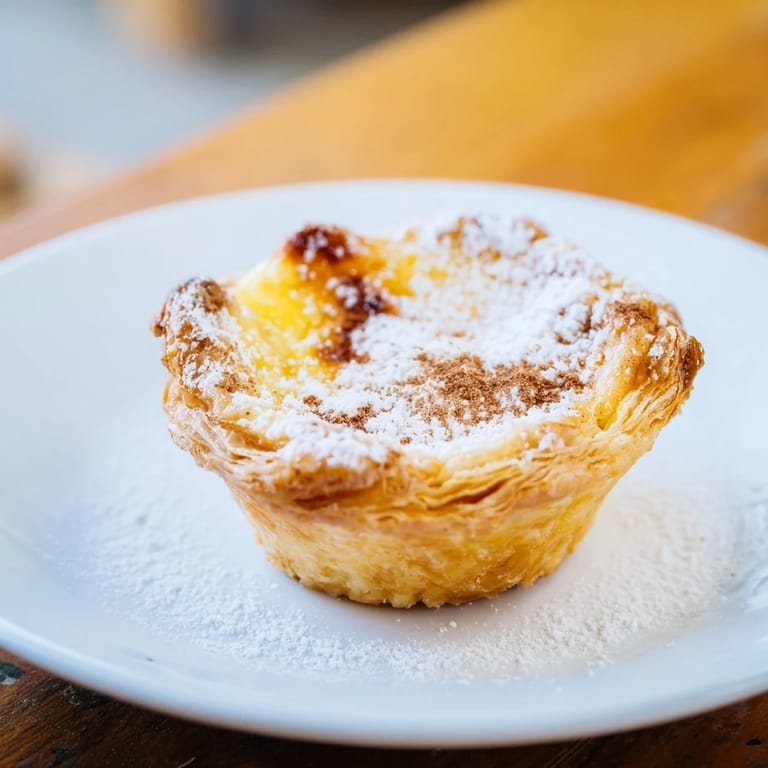
- Let them rest for a few minutes, then dust each tart with a pinch of cinnamon and a light sprinkle of powdered sugar. Serve them slightly warm when the phyllo is crispest and the custard is still silky.
 Save to Pinterest
 There's something about pulling these warm tarts from the oven and watching someone's face light up when they bite through that crisp phyllo into the creamy center that feels like you've just shared a small piece of something real. These tarts stopped being just a dessert for me somewhere between making them twice and realizing I could do it without my hands shaking.
The Magic of Phyllo
Phyllo has a bad reputation for being fussy, but it's actually forgiving if you stop treating it like something precious and finicky. The butter between each layer does the real work—it's what makes them golden and flaky—so brush generously but not obsessively. The damp towel over unused sheets is the real secret; it takes thirty seconds and changes everything about how the pastry behaves in your hands.
Custard Consistency and Texture
Portuguese custard tarts live in that perfect middle ground between too liquid and too thick. The custard should move like honey when you pour it, set enough that it doesn't slump when the tart cools, but still feel silky on your tongue. The trick is knowing your oven—if yours bakes hot, check them at eight minutes and pull them if they're golden; if it bakes cool, you might need closer to ten. Slightly underbaked is better than overdone; residual heat will firm them up as they cool.
Serving and Storage Tips
These tarts taste best within a day or two of baking, but they store beautifully in an airtight container in the fridge for up to four days. Reheat them in a 160°C (320°F) oven for about five minutes to restore the phyllo's crispness without drying them out.
- Serve them warm with a tiny espresso or a glass of chilled white port if you want to feel transported to Lisbon for a moment.
- A squeeze of fresh lemon zest in the custard before cooking adds a subtle brightness that Portuguese bakers swear by.
- Make the phyllo shells a day ahead and store them airtight, then fill and bake them fresh when you're ready to serve—this gives you a head start without stress.
 Save to Pinterest
 Making Portuguese egg tarts once means you'll likely make them again—they're the kind of dessert that bridges comfort and elegance without pretension. Every time you dust that powdered sugar, you're in on a small, delicious secret.
Recipe FAQs
- → What type of pastry is used for the cups?
Flaky phyllo sheets are brushed with butter and layered to create crisp cups that hold the custard filling.
- → How is the custard thickened?
Cornstarch is whisked into milk before cooking, and combined with egg yolks, sugar, cream, cinnamon, and vanilla for a smooth, thick texture.
- → Can leftovers be stored?
Yes, store the tarts chilled and reheat briefly in the oven to restore crispness before serving.
- → What flavor complements the custard?
Cinnamon and vanilla are key, with an optional hint of lemon zest for traditional notes.
- → What is the cooking temperature and time?
The phyllo cups bake first at 200°C (400°F) for 8–10 minutes, then filled and baked again for another 8–10 minutes until set.