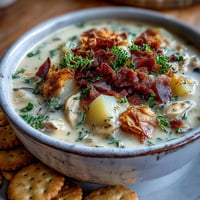
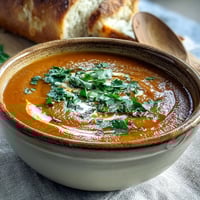
 Save to Pinterest
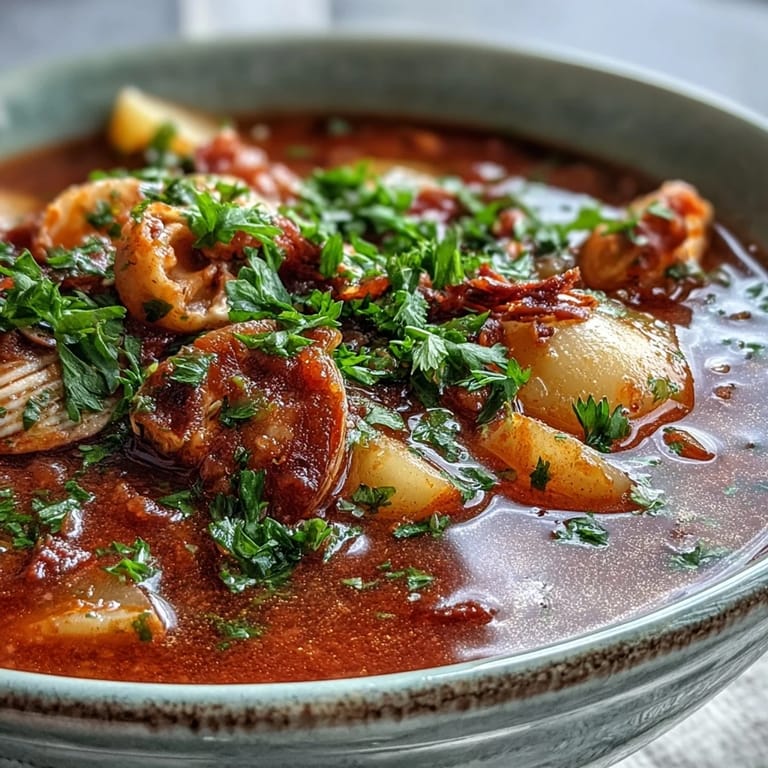
 Growing up in coastal Maine, I somehow never tried Manhattan clam chowder until my twenties. The vibrant red broth caught my eye at a small dockside restaurant during a weekend trip to New York. I was instantly converted by that first spoonful—bright, acidic, and so different from the creamy New England version I'd known all my life. The cook laughed when I asked for the recipe, sliding me a napkin with just the basics scribbled down, which I've been perfecting ever since.
Last summer, I made a huge pot of this chowder for a beach picnic with friends. We set up a makeshift table on the sand as the sun was setting, passing around warm mugs of soup with the waves crashing nearby. Someone brought crusty sourdough that we tore with our hands, and I remember how quiet everyone got while eating, just the sounds of spoons against bowls and the occasional satisfied sigh.
Ingredients
- Fresh clams: Fresh littlenecks are worth the extra effort if you can find them, releasing this incredible natural briny sweetness you just cant get from canned.
- Yukon gold potatoes: I switched to these after years of using russets because they hold their shape better while still breaking down enough to thicken the broth slightly.
- Green bell pepper: This is actually the secret signature ingredient that distinguishes Manhattan from other chowders, giving it that distinctive garden-fresh flavor profile.
- Crushed red pepper flakes: Just a pinch wakes up all the other flavors without making the soup spicy, though I sometimes add extra when cooking for myself.
Tired of Takeout? 🥡
Get 10 meals you can make faster than delivery arrives. Seriously.
One email. No spam. Unsubscribe anytime.
Instructions
- Prepare the clams:
- If using fresh clams, scrub them under cold water to remove any grit, then steam them in a covered pot with a cup of water until they pop open. Listen for that satisfying series of clicks as they open one by one.
- Build the aromatic base:
- Sauté the onions, celery, carrots, and bell pepper until they become fragrant and begin to soften. Your kitchen will start smelling like a seaside cafe as the vegetables release their flavors.
- Add the potatoes and liquids:
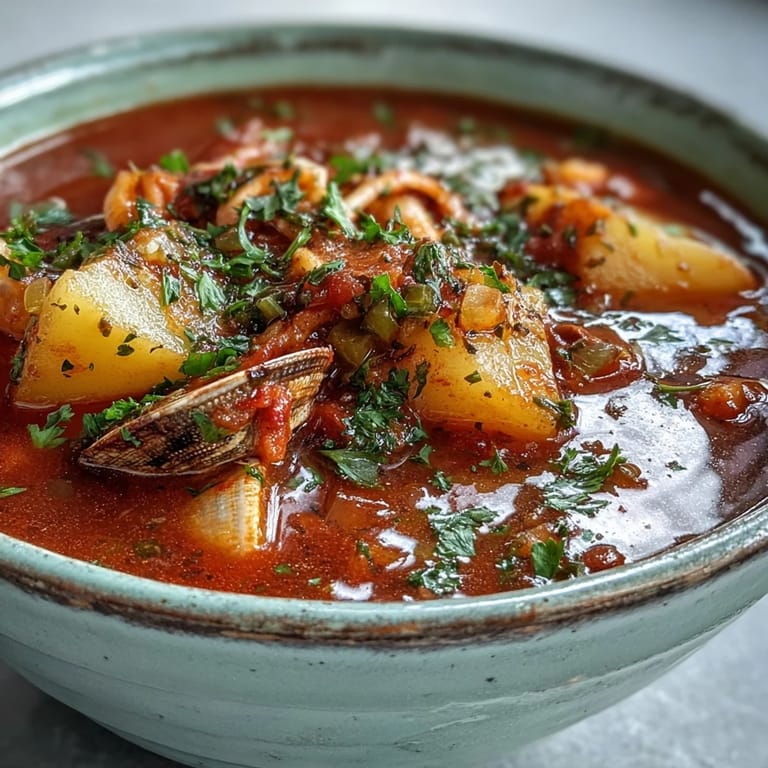
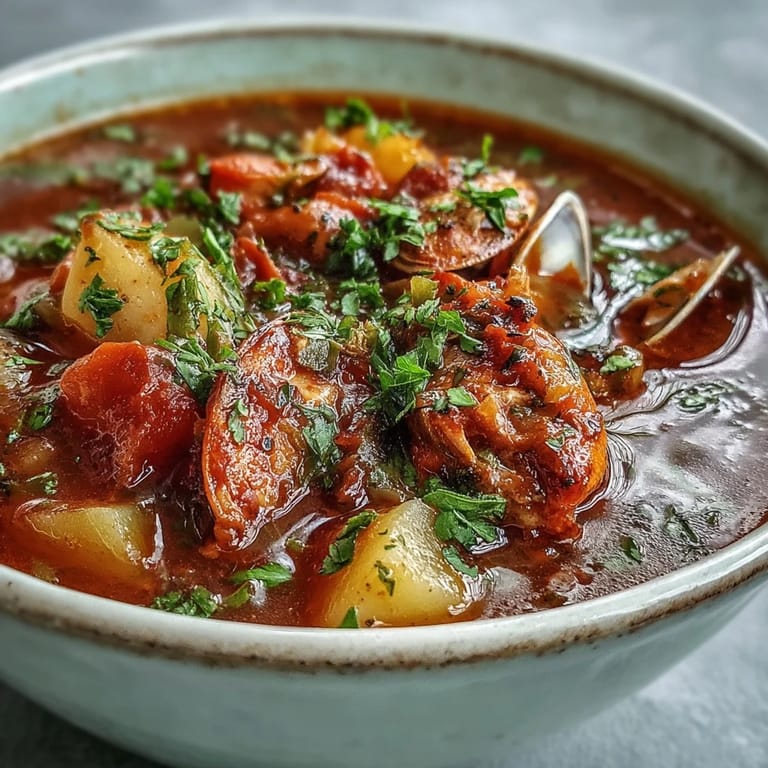
- When you pour in the tomatoes and clam juice, the pot transforms into this gorgeous ruby-colored broth. The potatoes will drink up all those flavors as they simmer.
- Simmer to perfection:
- Let everything bubble gently until the potatoes yield easily to your spoon. The aroma will intensify as the soup reduces slightly, concentrating all those ocean and garden flavors.
- Finish with clams:
- Add your clams last, just long enough to warm them through without overcooking. The chowder will brighten as their briny essence mingles with the tomato base.
 Save to Pinterest
 My neighbor Julia, who swore she hated all seafood, stopped by one evening when I had a pot simmering. The aroma alone convinced her to try just one spoonful, which turned into a full bowl, then another. Now she texts me whenever that distinctive tomato-clam scent wafts across our shared porch, bowl in hand. Sometimes the best dishes are the ones that change minds.
Serving Suggestions
Ive found that this chowder creates the perfect excuse for good bread—something crusty with a chewy interior that can stand up to dunking. On especially cold evenings, I like to ladle the chowder into oven-safe crocks, float a thick slice of sourdough on top, add a sprinkle of sharp cheese, and broil until bubbling. The bread soaks up the broth while developing a golden crust that adds another texture dimension entirely.
Storage Tips
Manhattan clam chowder is one of those rare dishes that actually improves with a day or two in the refrigerator. The flavors meld and deepen, with the tomato base becoming more complex and the clam essence more pronounced. When reheating, do it slowly over low heat rather than rushing it—a gentle approach preserves the texture of the clams and keeps the potatoes from breaking down too much.
Variations Worth Trying
Over the years, Ive played with countless variations on this classic, some more successful than others. Adding a splash of dry white wine to the vegetable base brings a subtle acidity that complements the tomatoes beautifully. Sometimes I throw in a pinch of smoked paprika or a few drops of fish sauce when nobody is looking—both add depth without announcing their presence.
- For a more substantial meal, toss in some firm white fish chunks or small shrimp during the last 5 minutes of cooking.
- Fresh corn kernels cut straight from the cob add pops of sweetness that balance the acidity and brininess.
- If you like a spicier profile, replace the green bell pepper with a poblano or add a minced jalapeño with the garlic.
 Save to Pinterest
 This Manhattan clam chowder has become my go-to comfort food that somehow works year-round—sustaining on winter evenings and surprisingly refreshing on summer afternoons. May it bring the same satisfaction to your table, perhaps creating some new memories of your own.
Recipe FAQs
- → What makes Manhattan clam chowder different from New England clam chowder?
Manhattan clam chowder features a clear, tomato-based broth instead of the rich, creamy milk base found in New England style. This gives it a lighter texture and vibrant red color. The tomato base also provides a slightly acidic, tangy flavor profile that contrasts with the sweetness of the clams and vegetables.
- → Can I use canned clams instead of fresh?
Yes, canned chopped clams work well in this chowder. Use 3 cups of canned clams, drained, and reserve the juice to supplement the clam broth. Fresh clams will provide slightly better texture and flavor, but canned clams offer convenience while still delivering excellent results.
- → How long does Manhattan clam chowder keep in the refrigerator?
Properly stored in an airtight container, Manhattan clam chowder will keep for 3-4 days in the refrigerator. The flavors often develop and improve after a day. Reheat gently over low-medium heat, stirring occasionally to prevent sticking. Avoid boiling, as this can toughen the clams.
- → Can I freeze Manhattan clam chowder?
While you can freeze Manhattan clam chowder for up to 3 months, the potatoes may become slightly grainy and the clams tougher upon thawing. For best results, freeze the broth and vegetables without the clams, then add fresh or canned clams when reheating. Thaw overnight in the refrigerator before warming.
- → What type of potatoes work best in this chowder?
Yukon gold potatoes are ideal because they hold their shape well during cooking while becoming tender. Their naturally buttery flavor complements the seafood. Red potatoes or waxy varieties also work well. Avoid russet potatoes, as they can become mealy and break apart in the simmering broth.
- → How can I make this chowder spicier?
Increase the crushed red pepper flakes to 1 teaspoon for more noticeable heat. You can also add a dash of hot sauce, diced jalapeño peppers with the vegetables, or use a spicy tomato variety. For smoky heat, add a pinch of smoked paprika along with the other seasonings.