 Save to Pinterest
 There was a rainy afternoon last spring when the scent of fresh scallions under my knife made everything feel awake again. Making these spring onion pancakes wasn't part of my plan for the day, but a forgotten bunch of scallions in the crisper inspired a spur of the moment cooking session. As I kneaded the warm dough, the kitchen filled with that earthy aroma that always makes me want to linger just a little longer. The first sizzle in the pan had my dog poking his nose around the corner, drawn by the promise of something savory and golden. Flaky pancakes shared hot off the skillet really do taste best when the weather begs you to make comfort food.
I’ll never forget the time I made a double batch of these for friends who dropped by unannounced, and everyone hovered around the stove, laughing and sneakily snagging hot slices before anyone could plate them up. The whole kitchen buzzed like a little street-side stall, and for a moment, the only thing that mattered was whose fingers were fastest.
Ingredients
- All-purpose flour: Sift it first for a super soft dough; I once learned the difference when my pancakes turned out a bit tough without this quick step.
- Boiling water: Hot water helps create a supple, almost elastic dough, so don’t be tempted to skip the temperature here.
- Cold water: A splash of cold water binds everything and keeps the dough from getting too sticky as you knead.
- Salt: Salt seasons the dough and also brightens the scallion flavor, crucial for that addictive savoriness.
- Spring onions (scallions): Use both the green and white parts for contrast in texture and flavor – extra fresh is best, but wilted scallions still work wonders.
- White pepper (optional): Adds warmth and a subtle kick without overpowering the pancakes; sometimes I skip it for a milder version.
- Vegetable oil: Go for a neutral oil with a high smoke point—I've learned not to skimp, it delivers that golden crispy crust.
Tired of Takeout? 🥡
Get 10 meals you can make faster than delivery arrives. Seriously.
One email. No spam. Unsubscribe anytime.
Instructions
- Make the dough:
- Combine the flour and salt in a big bowl, then pour in the boiling water while stirring. Add the cold water, and knead with your hands until the dough is springy and smooth—listen for the soft thud on your countertop as you work it.
- Let it rest:
- Cover the dough with a damp cloth and let it rest for 20 minutes (it makes rolling out so much easier and prevents cracks).
- Shape and fill:
- Divide the dough into four equal balls; don’t stress if they’re a bit lopsided. Roll each one into a thin rectangle, brush lightly with oil, sprinkle with salt and a generous handful of chopped scallions.
- Roll and coil:
- Roll the rectangle up tightly like a jelly roll, then twist the roll into a spiral and tuck the end underneath. Squish gently to shape—soft but purposeful hands help here.
- Final roll out:
- Roll each spiral into a flat disc about 6 inches wide. The scallions might peek through and that's perfectly fine (actually, it's extra pretty).
- Fry the pancakes:
- Heat oil in a nonstick pan over medium heat. Fry one pancake at a time, 2 to 3 minutes per side, watching for golden blisters, and add a little more oil as each new one goes in.
- Serve and enjoy:
- Drain on paper towels, then cut into wedges. Serve while still warm—if you like, pass around little bowls of soy sauce or chili oil for dipping.
 Save to Pinterest
  Save to Pinterest
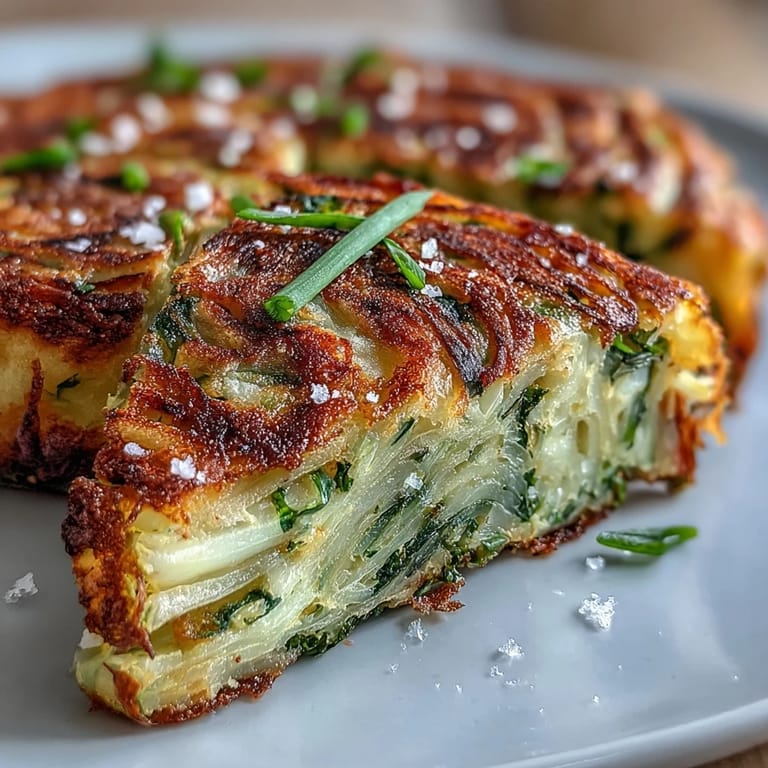
 The first time someone dipped a slice into chili oil and raised their eyebrows with delight, these pancakes changed from a humble kitchen project to a dish I pull out whenever I want to bring a grin to someone's face.
Finding the Right Dough Texture
The secret is in the feel of the dough: it should be springy but never sticky. On humid days, I add a tiny dusting of flour at a time to avoid overdrying, and sometimes let the dough rest just a few minutes longer to relax the gluten. If it fights back as you roll it flat, cover it and give it another five minutes—everything gets easier then. Those extra few kneads really do pay off. Dough that feels pleasant to touch will make pancakes that feel wonderful to eat.
Playing with Fillings
Although classic scallions are nearly impossible to beat, sometimes I sneak in a pinch of minced garlic or toast some sesame seeds for extra depth. On one occasion, we tossed in bits of cilantro and it added a fresh, wild streak. No two batches have to be exactly the same, and that’s half the fun. Try different combinations and see what you like best. Your kitchen, your twist!
Tips That Took My Pancakes From Good to Great
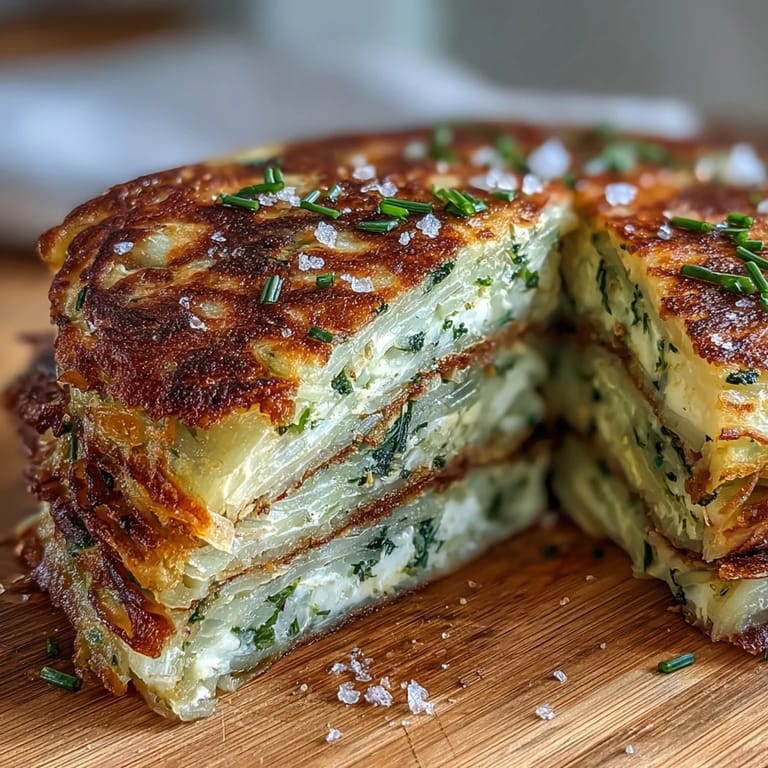
Over time, I learned to brush the dough generously with oil rather than sparingly—it’s the trick to a shattering, flaky finish. Rolling the pancakes thin without pressing out all the lovely air makes for a more tender result. Don’t be shy with the heat, but keep watch so they don’t burn. When in doubt, taste a little wedge right from the pan.
- If you like a bolder flavor, mix a dash of vinegar into your dipping sauce.
- These are best fresh, but a quick pan reheat brings the leftovers back to life.
- Don’t skip the rest time for your dough—it’s not just a suggestion, it’s a secret weapon.
 Save to Pinterest
  Save to Pinterest
 These spring onion pancakes turn an ordinary day into something a bit more special. Don’t be surprised if they disappear faster than you can fry them.
Recipe FAQs
- → How do I get distinct flaky layers?
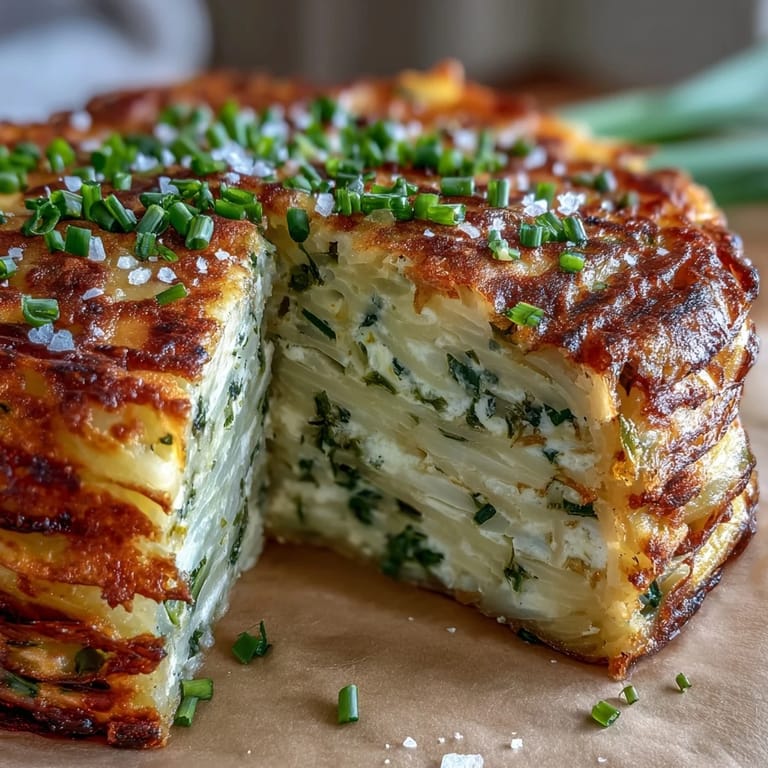
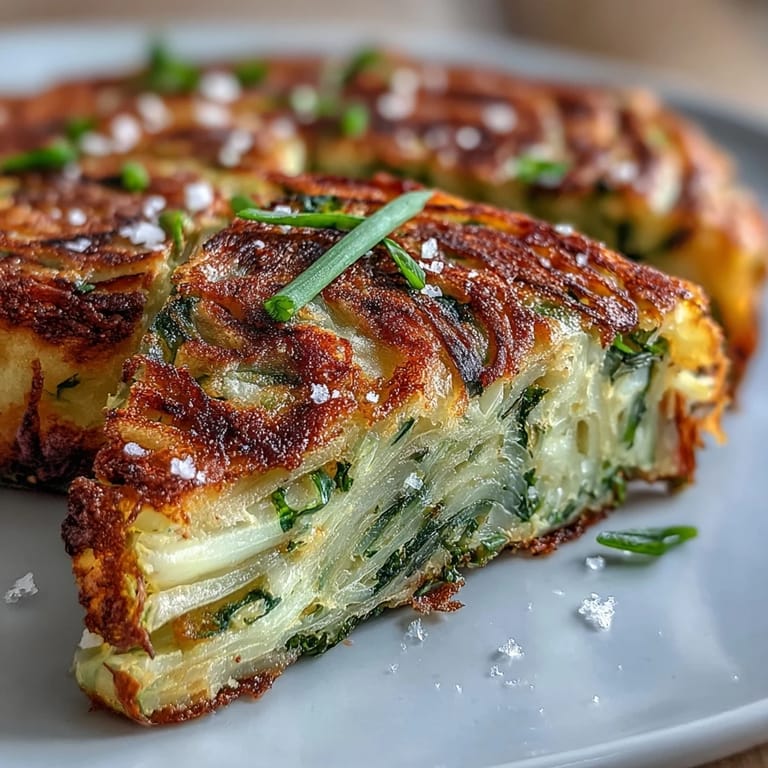
Brush the rolled dough lightly with oil between layers before rolling and coiling. Thin rolling, tight coils, and proper resting time help create visible, tender layers when fried.
- → Can I prepare the dough ahead of time?
Yes. After kneading, cover and chill the dough for up to 24 hours. Bring it to room temperature before rolling to make it easier to shape and to ensure even cooking.
- → What pan and oil work best for frying?
A heavy nonstick or cast-iron skillet gives even browning. Use a neutral oil with a high smoke point, such as vegetable or peanut oil, and add enough to crisp the exterior without deep-frying.
- → How should I control the heat for a crisp outside and tender inside?
Maintain medium heat: hot enough to brown the surface in 2–3 minutes per side but not so hot that the outside burns before layers cook through. Adjust the flame and add a little oil as needed.
- → What fillings or seasonings can I add?
Try adding toasted sesame seeds, minced garlic, or a pinch of five-spice to the scallion mix. For a richer finish, brush layers with sesame oil in addition to neutral oil.
- → How do I reheat leftovers without losing crispness?
Reheat in a skillet over medium-low heat with a light brush of oil, flipping once, until warmed and crisp. Avoid microwaving, which softens the layers.