 Save to Pinterest
 I was rushing through a weeknight when my roommate asked if I could whip up something that didn't involve ordering takeout again. I had shrimp in the freezer, leftover rice, and maybe ten minutes before we both needed to eat. That's when I realized the magic wasn't in complicated technique—it was in understanding that cold rice, high heat, and the right sequence meant dinner could come together faster than the delivery app could even process an order.
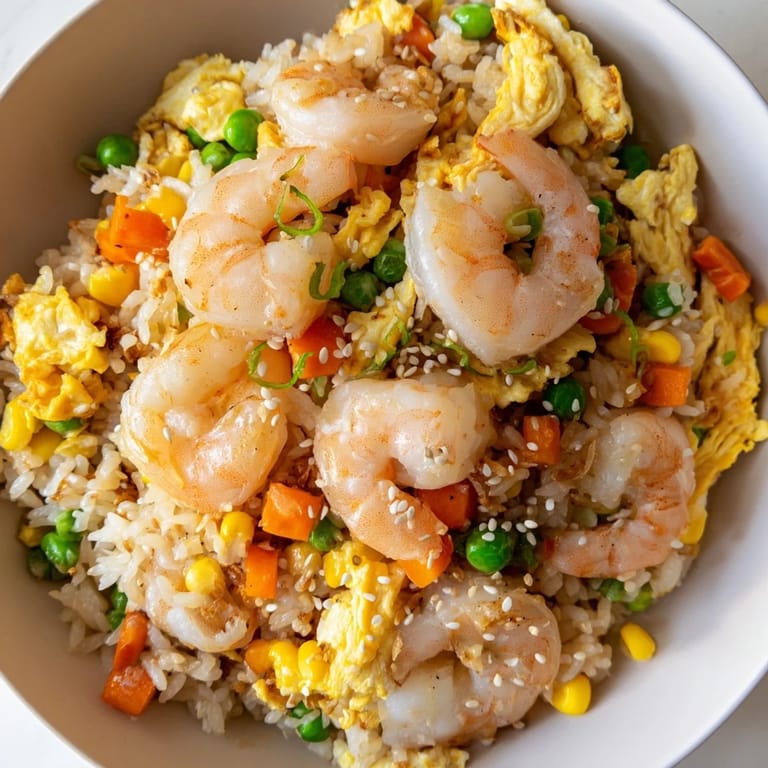
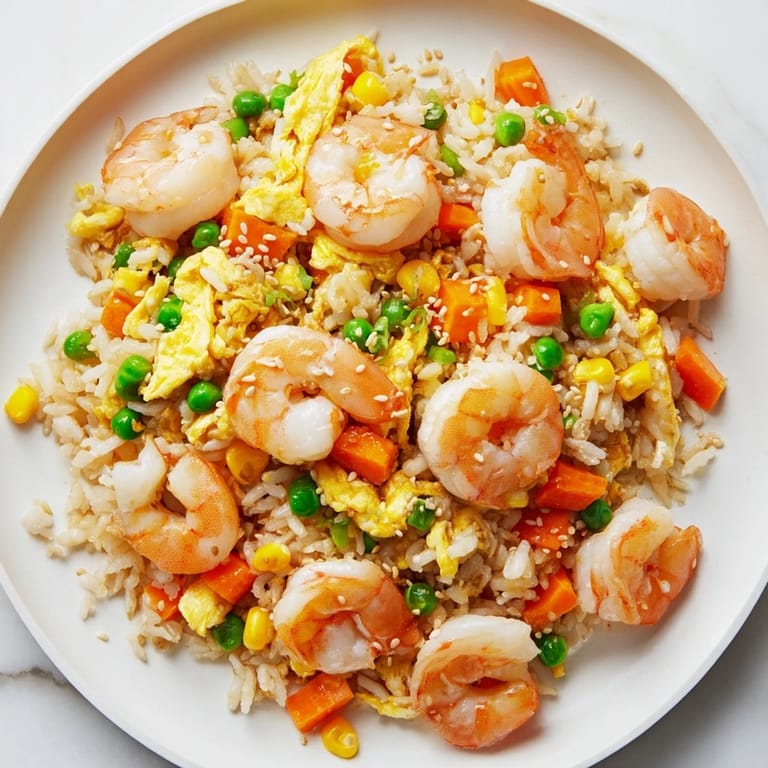
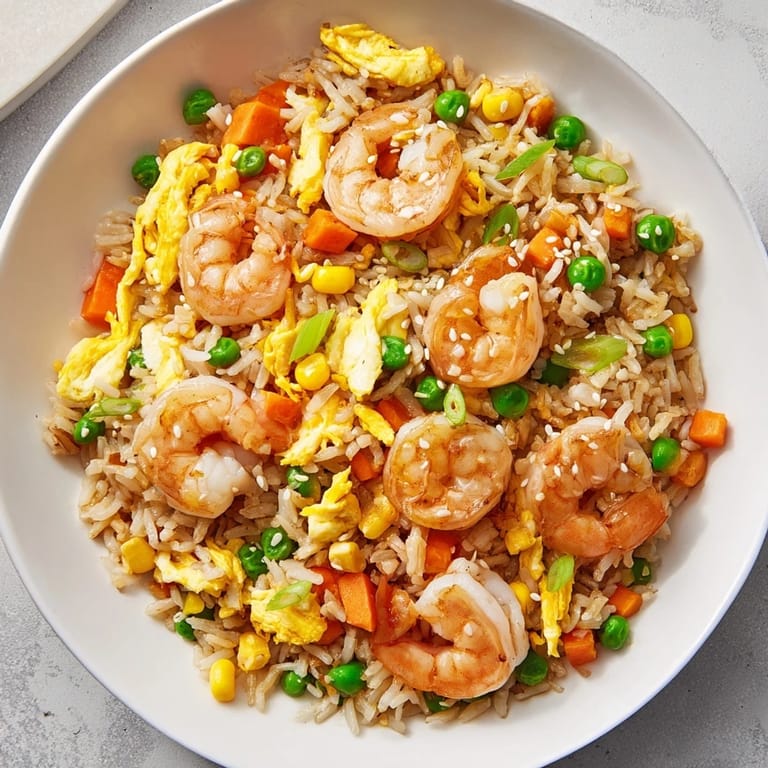
The first time I made this for guests, I was nervous about timing everything together in one pan. But watching the shrimp turn that perfect coral pink while the egg set just right, and then seeing how the cold rice broke apart and absorbed all those savory flavors—suddenly I understood why this hack had become such a thing. Everyone cleaned their bowls, and someone asked for the recipe before dessert even came out.
Ingredients
- Medium shrimp (200 g / 7 oz), peeled and deveined: The size matters here—they cook through quickly without turning rubbery, which is the whole point of the speed.
- Large eggs (2): Beat them before they hit the pan so they scramble evenly and create little protein pockets throughout the rice.
- Frozen mixed vegetables (100 g / 1 cup): They'll warm through in seconds once they hit the hot pan, no need to thaw or prep.
- Scallions (2), sliced: Half goes in during cooking for flavor, half at the end for brightness and that fresh bite.
- Cooked jasmine rice (300 g / 2 cups), chilled: This is non-negotiable—day-old rice from the fridge is drier and won't clump up into a sticky mess.
- Soy sauce (2 tbsp): The backbone of flavor that ties everything together.
- Oyster sauce (1 tbsp, optional): A secret depth that makes people ask what you did differently.
- Sesame oil (1 tsp): A little goes a long way; drizzle it in at the end to preserve that toasty aroma.
- Ground white pepper (1/2 tsp): Sharper than black pepper and adds a subtle heat that doesn't overpower.
- Vegetable oil (1 tbsp): High smoke point keeps everything from sticking at medium-high heat.
Tired of Takeout? 🥡
Get 10 meals you can make faster than delivery arrives. Seriously.
One email. No spam. Unsubscribe anytime.
Instructions
- Get your pan screaming hot:
- Pour the vegetable oil into a large nonstick skillet or wok and let it heat over medium-high until it shimmers and almost smokes. You'll hear it crackle when the shrimp hit the pan.
- Cook the shrimp until just pink:
- Add the shrimp and let them sit for a moment before stirring—they'll develop a slight crust. Toss them around for 2-3 minutes total until they've turned that coral color all the way through, then move them to a clean plate.
- Scramble the eggs fast:
- Pour your beaten eggs directly into the still-hot pan and push them around with a spatula until they're just set with barely any shine left. Stop before they become rubbery; they'll continue cooking slightly from residual heat.
- Add the vegetables for a quick warm-through:
- Slide the frozen vegetables into one corner of the pan and stir for about a minute until they're heated through and the carrots have softened slightly.
- Break apart the rice and let it kiss the hot pan:
- Dump in the cold rice and use your spatula to break up any clumps as it hits the heat. Spread it out so it makes contact with the pan and gets slightly toasted—this takes about 2 minutes and gives it that wok-kissed flavor you can't get any other way.
- Return the shrimp and sauce everything:
- Add the shrimp back to the pan along with the soy sauce, oyster sauce if you're using it, sesame oil, and white pepper. Toss everything constantly for about a minute so the sauces coat every grain of rice and every piece of shrimp.
- Add the scallions and finish:
- Toss in your sliced scallions and stir for one final minute. Taste a spoonful and add more soy sauce if needed—remember you can always add more salt, but you can't take it out.
 Save to Pinterest
 There was an afternoon when my kid actually asked for seconds of fried rice instead of their usual complaint about dinner. That's when I realized this wasn't just a quick weeknight hack—it had become something we all genuinely looked forward to, proof that speed and quality don't have to be enemies.
The Secret to Restaurant-Quality Speed
The reason this works so fast is because every component is already cooked before it enters the pan. The shrimp just needs to warm through and pick up color, the frozen vegetables are already blanched, and the eggs cook in seconds. What takes time at a restaurant—prep, waiting for things to cook through—is already done. You're just assembling and searing everything together, which is why the whole thing comes together in under twenty minutes from cold pan to plated bowl.
Playing with Variations
This base is flexible enough that you can swap proteins without changing the timing. Diced chicken works beautifully and cooks in about the same window as shrimp. Tofu cubes pressed until they're dry will get crispy edges when they hit that hot oil. You can even leave the protein out entirely and add extra vegetables or cashews for texture. The magic isn't in the shrimp—it's in understanding how cold rice behaves and respecting the heat of your pan.
Making It Your Own at Home
Once you've made this a few times, you'll start noticing what your preferences are. Maybe you like it spicier and add a drizzle of chili oil at the end. Maybe you find that a splash of white wine or a squeeze of lime changes everything for you. The beauty of something this simple is that you're not fighting against complexity—you can taste everything you add and adjust it to your exact mood. Some nights you want it savory and rich, other nights you crave that fresh brightness from extra scallions and a lime wedge on the side.
- If your pan isn't hot enough, the rice will absorb the sauces and get mushy instead of staying separate and toasty.
- Day-old rice from the back of your fridge works even better than rice you made specifically for this.
- Keep a small bowl of water nearby to rinse your spatula so rice doesn't stick to it between stirs.
 Save to Pinterest
 This recipe taught me that dinner doesn't have to be complicated to be satisfying, and that sometimes the best hacks are just about understanding the science of your pan and respecting your ingredients. Now it's the meal I turn to when life is chaotic and my family still gets something that tastes intentional.
Recipe FAQs
- → What type of rice works best for this dish?
Day-old jasmine rice is preferred because its dryness prevents clumping during stir-frying, resulting in a fluffy texture.
- → Can I substitute shrimp with other proteins?
Yes, chicken or tofu can be used as alternatives while maintaining the dish's texture and flavor balance.
- → What is the purpose of scrambling the eggs separately?
Scrambling eggs separately before combining ensures they remain tender and evenly distributed throughout the dish.
- → How can I add a spicy kick to the dish?
Incorporate a dash of chili sauce or fresh sliced chilies during the stir-fry to enhance heat and flavor complexity.
- → What garnishes best complement the flavors?
Extra sliced scallions and toasted sesame seeds add freshness and a nutty crunch, elevating the overall taste profile.