 Save to Pinterest
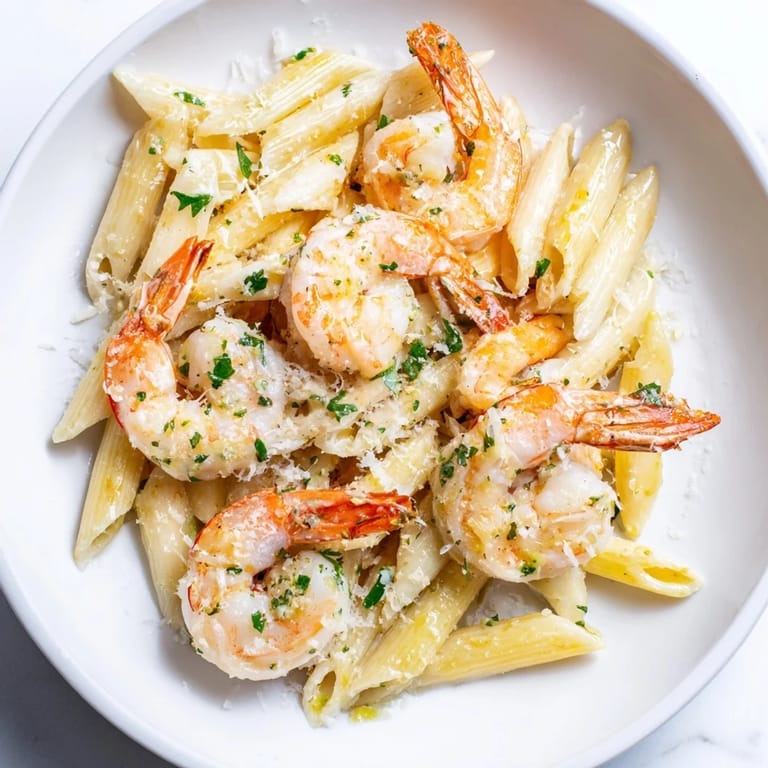
 There's something about the sound of shrimp hitting a hot skillet that tells you dinner's about to be good. I discovered this dish on a weeknight when I had about thirty minutes and a craving for something that felt restaurant-quality but didn't require restaurant-level stress. The garlic butter caught in the pasta, the way the lemon brightens everything up, how quickly it all comes together—it won me over immediately.
I made this for someone who claimed they didn't like seafood, and watching them go back for thirds was its own kind of victory. The shrimp never stood a chance against the garlic butter, and somehow the pasta became the perfect vehicle for every drop of it. That's when I realized it wasn't really a shrimp dish—it was a pasta dish that happened to have shrimp.
Ingredients
- Large shrimp (400 g): Look for shrimp that are already peeled and deveined if you want to save yourself time, though fresh ones from the fishmonger are worth the five-minute prep.
- Penne pasta (350 g): The ridges catch sauce like tiny skis, but linguine and spaghetti work beautifully too if that's what you have.
- Garlic (4 cloves, minced): Don't skip the mincing—you want small pieces that distribute evenly, not chunks that surprise you on the fork.
- Shallot (1 small, chopped): It's gentler than onion and adds a whisper of sweetness that makes the whole dish feel more polished.
- Fresh parsley (2 tbsp): Rough chop it and add it at the very end so it stays bright and doesn't turn into a sad gray-green.
- Lemon zest and juice: The zest is where the magic lives, so use a microplane if you have one to avoid the bitter white pith.
- Unsalted butter (60 g): This is your sauce, so use real butter—it tastes like butter should.
- Parmesan cheese (2 tbsp, grated): Fresh grated tastes completely different from pre-grated, and it's worth the two extra minutes.
- Extra-virgin olive oil (2 tbsp): You need this for the initial searing and for flavor—regular olive oil will do the job but won't sing.
- Red pepper flakes (pinch): Optional, but that little heat underneath everything makes your palate wake up.
Tired of Takeout? 🥡
Get 10 meals you can make faster than delivery arrives. Seriously.
One email. No spam. Unsubscribe anytime.
Instructions
- Start the pasta water:
- Fill a large pot with water, salt it generously so it tastes like the sea, and let it reach a rolling boil. This is your foundation, so don't rush it.
- Cook the penne:
- Add penne to the boiling water and cook according to package directions until it's al dente—tender with just a tiny bit of resistance when you bite it. Scoop out and reserve half a cup of the starchy cooking water before you drain everything, then set the pasta aside.
- Prepare the shrimp:
- Pat each shrimp dry with paper towels, which sounds fussy but makes a real difference in how they sear. A light sprinkle of salt and pepper is all they need at this point.
- Sear the shrimp:
- Heat a large skillet over medium-high heat and add a tablespoon of olive oil and a tablespoon of butter until it's foaming and smells nutty. Lay the shrimp in a single layer and resist the urge to move them for a minute or two until they turn pink and opaque on one side, then flip for another minute.
- Build the sauce:
- Move the shrimp to a plate and add the remaining oil and butter to the same skillet. The shallot goes in first for about a minute until it softens, then the garlic for just thirty seconds until your whole kitchen smells like an Italian dream.
- Layer in the brightness:
- Add the red pepper flakes if you're using them, then the lemon zest and juice. Stir it all together so you can feel the aromatics waking up.
- Bring it together:
- Return the drained penne to the skillet and toss it constantly in that golden butter. Add splashes of the reserved pasta water as you go, creating a light sauce that coats every piece without drowning it.
- Finish and serve:
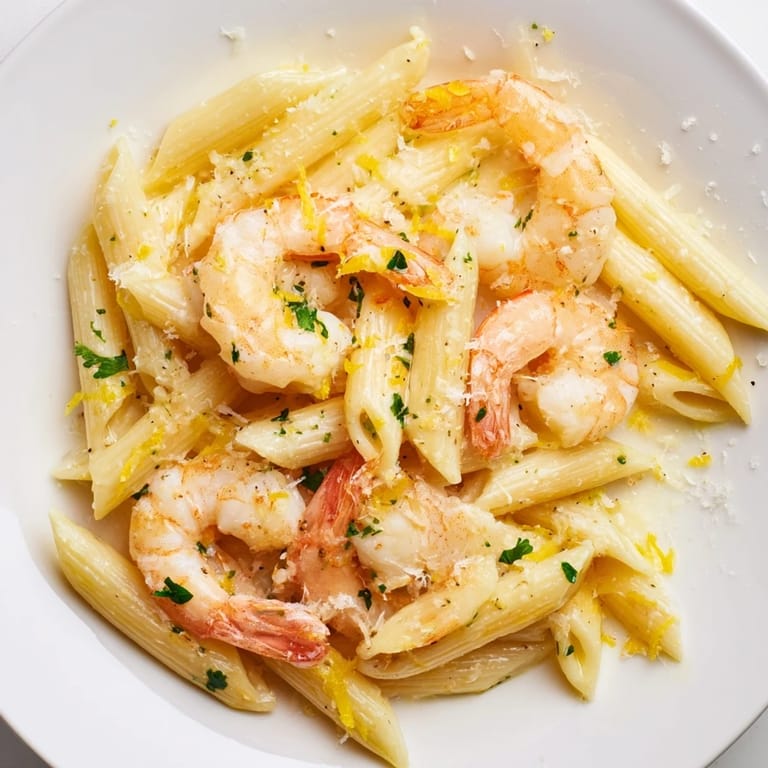
- Return the shrimp to the skillet, add the parsley and Parmesan, toss gently once more, and taste for salt and pepper. Serve immediately with extra cheese and parsley scattered on top, maybe a grind of pepper, and a glass of something cold and white.
 Save to Pinterest
 There's a moment near the end of cooking when everything stops being separate ingredients and becomes something whole. That's when you know you've done it right.
Why This Dish Never Gets Old
The beauty of garlic butter and pasta is that it's infinitely forgiving. Some nights you add cream and it becomes silkier, richer. Other nights you lean hard into the lemon and it feels bright enough to serve in summer. Once I added a handful of spinach at the last second, and it was perfect. The shrimp are just an excuse to dress it up, but the real star is that golden sauce clinging to every piece of pasta.
Variations Worth Trying
If you find yourself making this once, you'll start thinking about versions. A splash of white wine instead of some of the pasta water makes it more sophisticated. Cherry tomatoes added at the end burst into a light sauce. Caramelized garlic instead of fresh garlic becomes almost sweet and deep. Each change is small but feels like you're discovering a new dish every time.
Making It Your Own
The real trick is understanding that you can trust your instincts here. If you love seafood, add more shrimp. If you're a garlic devotee, there's no such thing as too much. If you want richness, a pour of cream changes everything, and if you want it light, just use extra lemon.
- Taste constantly as you cook because seasoning is the difference between good and memorable.
- Use a zester for the lemon zest if you have one, and lean into that brightness.
- Serve it immediately because pasta waits for no one, and this dish is best when everything's still warm.
 Save to Pinterest
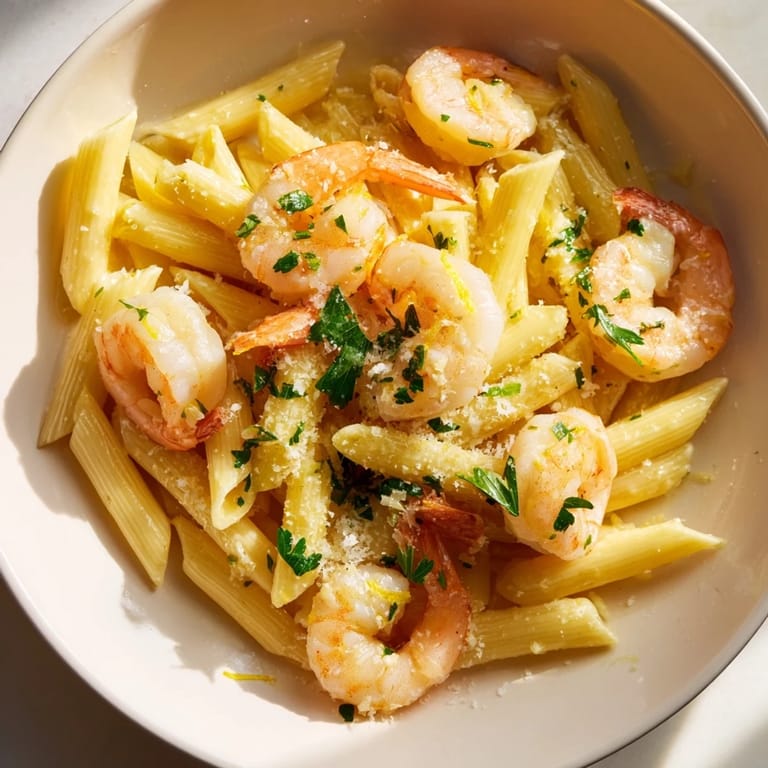
 This is the kind of dish that reminds you why cooking matters. It's not complicated, but it tastes like love tastes when someone knows what they're doing.
Recipe FAQs
- → How do I cook the shrimp without overcooking?
Cook shrimp over medium-high heat for 1-2 minutes per side until just pink and opaque to maintain tenderness.
- → What’s the best way to achieve a silky sauce?
Reserve some pasta water and add it gradually while tossing the pasta in garlic butter to create a smooth, cohesive sauce.
- → Can I substitute other pasta types in this dish?
Yes, linguine or spaghetti work well and absorb flavors similarly to penne.
- → How can I add extra richness to the sauce?
A splash of cream added with the reserved pasta water creates a creamier, richer sauce.
- → What wine pairs best with garlic butter shrimp and pasta?
Crisp white wines like Sauvignon Blanc or Pinot Grigio complement the dish's bright and buttery flavors.