 Save to Pinterest
 I discovered this sauce almost by accident one Tuesday afternoon when I was trying to use up a container of cottage cheese before it expired. A friend had mentioned that blending it could make it silky, and I was skeptical—cottage cheese in Alfredo sounded like a compromise, not an upgrade. But the moment I tasted it, something clicked: the protein punch without the heaviness of cream, the way the garlic butter made it taste genuinely luxurious. Now it's become my go-to when I want that coated-noodle satisfaction without feeling weighed down afterward.
I made this for my sister last month when she was meal-prepping for her gym routine, and she kept asking for the recipe because she couldn't believe something this creamy had so much protein. We stood in my kitchen talking about how restaurant Alfredo had started tasting one-note to us, and this just felt different—like we'd unlocked a secret version that tasted even better.
Ingredients
- Low-fat cottage cheese: The star of the show—blending it transforms the curds into pure silk, and the protein content is genuinely impressive.
- Whole milk: Loosens the cottage cheese just enough so the blender can work its magic without turning it into soup.
- Grated Parmesan cheese: This is where the umami lives; don't skip it or use pre-shredded if you can help it.
- Unsalted butter: The aromatic base that makes everything taste intentional rather than diet-friendly.
- Garlic: Mince it fine so it dissolves into the sauce rather than floating around as visible bits.
- Black pepper and salt: Season as you go; this sauce is mild enough that you'll want to taste and adjust.
- Freshly grated nutmeg: Optional, but a whisper of it makes people wonder what makes this taste so good.
Tired of Takeout? 🥡
Get 10 meals you can make faster than delivery arrives. Seriously.
One email. No spam. Unsubscribe anytime.
Instructions
- Blend until completely smooth:
- Pour the cottage cheese and milk into your blender and let it run on high for a full 1–2 minutes. You'll watch it go from lumpy to impossibly creamy, almost like thin ricotta—that's exactly what you want.
- Sauté the garlic gently:
- Melt butter in a medium saucepan over medium heat, then add minced garlic. Let it become fragrant within 30–60 seconds, but watch it carefully so it doesn't brown and turn bitter.
- Combine and warm through:
- Pour that silky blended mixture into the pan with the garlic butter, then stir in Parmesan, black pepper, salt, and nutmeg if you're using it. The sauce will thicken slightly as it warms, about 2–3 minutes of gentle, constant stirring.
- Taste and adjust:
- Before you toss it with pasta, taste it. Season a little more salt or pepper if it needs it—this is the moment to get it exactly right.
- Toss and serve immediately:
- Pour it over hot pasta, cooked vegetables, or grilled chicken while it's warm. The heat from the pasta will help it coat everything evenly.
 Save to Pinterest
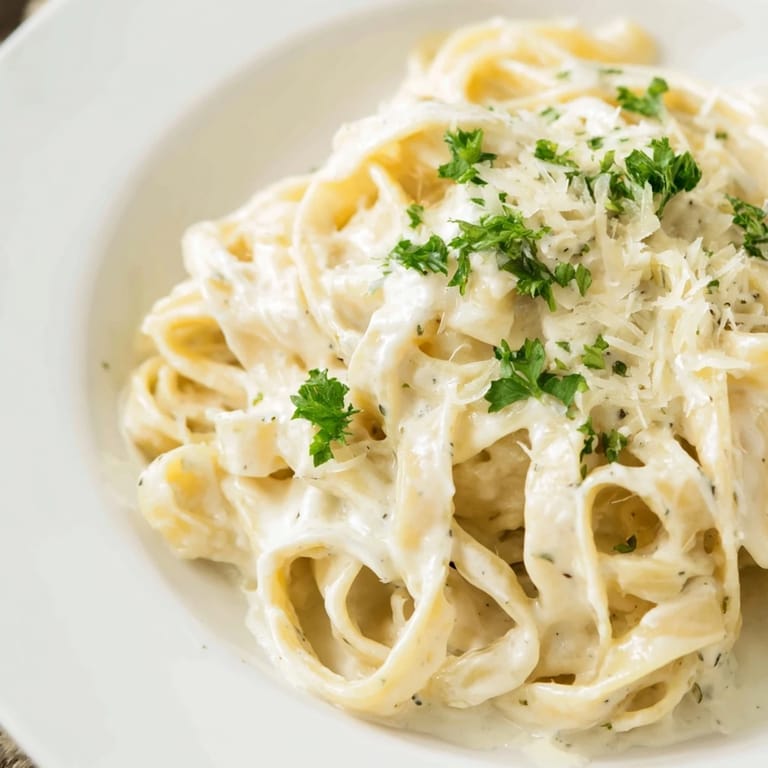
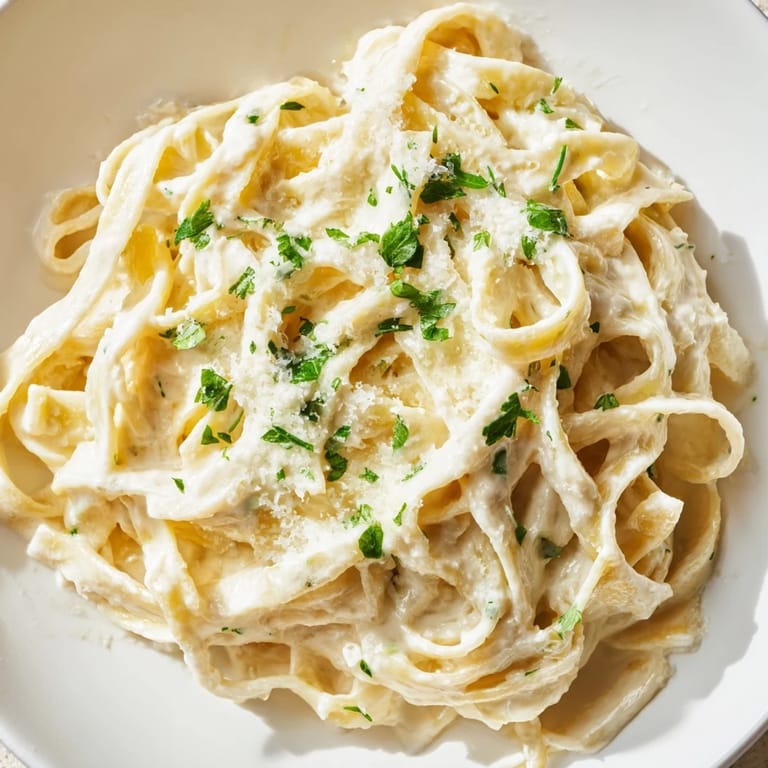
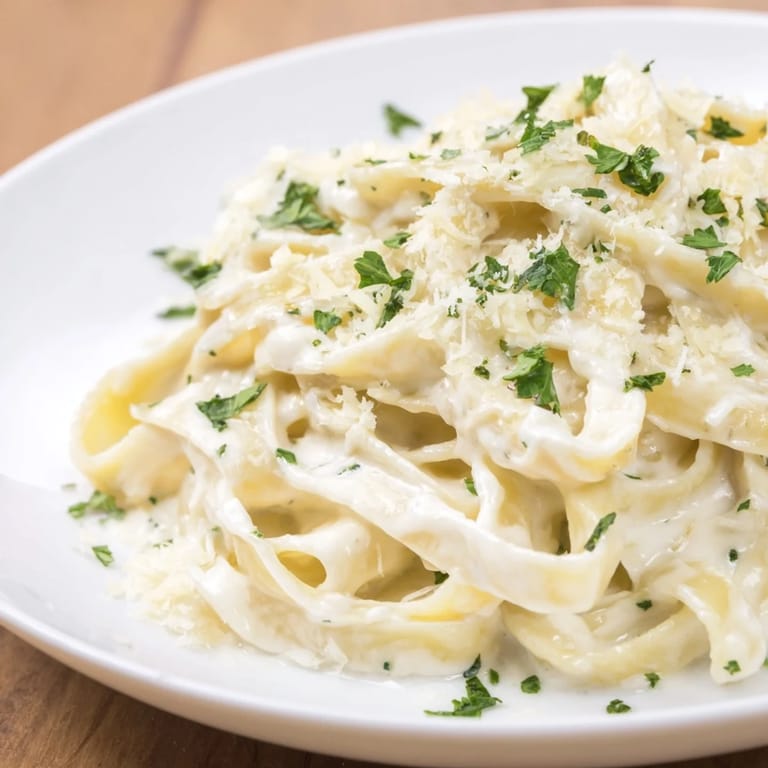
 There's a moment when you coat fresh fettuccine with this sauce and the noodles glisten exactly like they would with the heavy cream version, except lighter and somehow more satisfying. That's when you know you've found something worth making again.
Why Blended Cottage Cheese Works
Cottage cheese gets a reputation as a diet ingredient, something you eat because you should, not because you want to. But when you blend it with milk, the curds completely dissolve into a base that's creamy and neutral, almost like a lighter ricotta. It absorbs garlic and butter the way any good sauce base would, and it adds genuine protein without the density of heavy cream. Once you taste it, you realize cottage cheese isn't the compromise—cream is the redundant option.
Variations That Actually Work
I've tried this sauce a dozen different ways by now, and some variations stick with me. Sautéed mushrooms stirred in at the end add earthy depth without changing the core flavor. Fresh spinach folded in last keeps its vibrant color. A splash of fresh lemon juice right before serving cuts through the richness and makes it taste brighter. Even grilled chicken tossed in creates a complete meal that doesn't feel like you're eating in a specific way—it just tastes like good food.
Pasta and Serving Suggestions
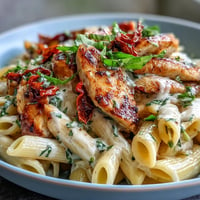
This sauce pairs beautifully with long, flat noodles like fettuccine that catch and hold onto the coating, but I've also tossed it with penne and gotten great results. Zucchini noodles work if you're going that direction, and honestly, roasted broccoli or asparagus coated in this sauce turns a vegetable side into something you'll actually crave. The key is serving it immediately while everything is hot—the warmth makes the sauce silky and helps it cling to whatever you're coating.
- Fettuccine, penne, and bow ties all work beautifully.
- Don't toss it into cold pasta; everything should be hot.
- A handful of fresh parsley on top adds color and a green, fresh note that rounds out the richness.
 Save to Pinterest
 This is the kind of recipe that makes you feel clever for discovering it, like you've found a shortcut to something that feels restaurant-quality but actually comes together faster than you'd expect. Once it becomes part of your rotation, you'll keep coming back to it.
Recipe FAQs
- → What is the main dairy ingredient in this sauce?
Low-fat cottage cheese is blended with milk and Parmesan to create the creamy base.
- → How is the sauce thickened without cream?
Blending cottage cheese creates a smooth texture, and gentle warming with Parmesan adds body without needing cream.
- → Can this sauce be used with other dishes besides pasta?
Yes, it’s excellent as a topping for vegetables or grilled chicken, providing a flavorful creamy element.
- → Is this sauce suitable for vegetarians?
Yes, though vegetarians should ensure the Parmesan used is free of animal rennet.
- → Are there any tips for enhancing the flavor?
Adding a splash of cream or a squeeze of lemon juice before serving enhances its richness and brightness.